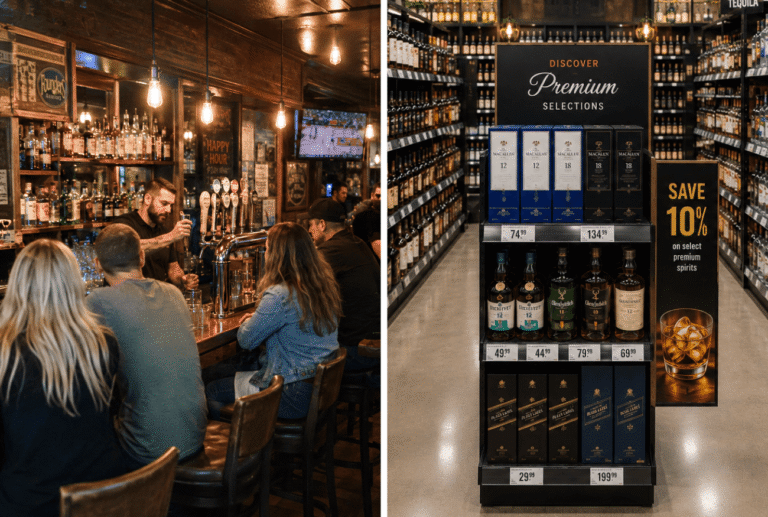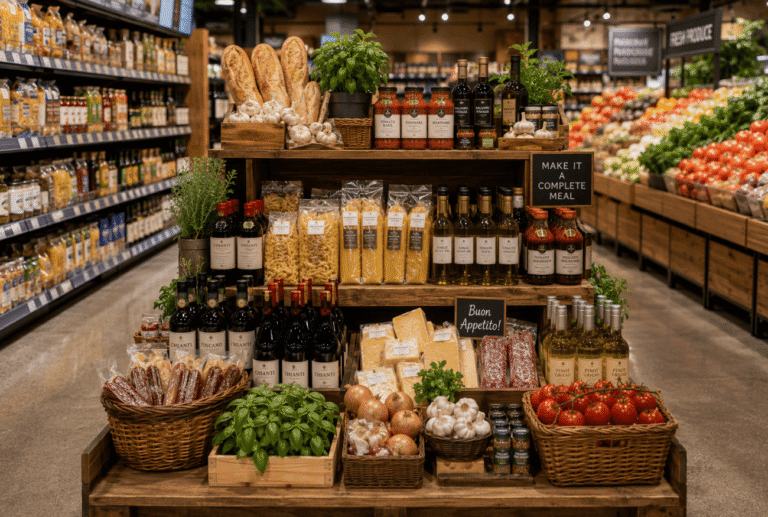


Merchandising has always been about influence. Where a product sits, how it’s displayed, and whether it’s available when a shopper reaches for it—these decisions have shaped retail outcomes for as long as stores have existed.
But the tools you use to make and execute those decisions have changed almost beyond recognition.
What started as intuition-driven store displays and hand-drawn floor plans has evolved into a data-driven discipline powered by digital merchandising tools, automation, image recognition, and real-time field execution. The stakes have grown with the complexity: more SKUs, more locations, more channels, and less tolerance for execution gaps that quietly drain revenue.
For retailers and CPG brands managing merchandising across hundreds or thousands of stores, the gap between your strategy and shelf reality is where profit is won or lost. Understanding how merchandising tools evolved—and what they need to deliver for your business today—is the first step toward closing it.
Key Takeaways
- Merchandising has evolved from manual, intuition-led in-store setups to data-driven and AI-powered systems that connect strategy directly to shelf execution.
- While retail analytics improved planning and forecasting, a major gap remained in real-time visibility of what is actually happening in stores.
- Modern merchandising tools close this gap by combining mobile execution, image recognition, and real-time data—shifting success from planning accuracy to execution consistency.
What Are Merchandising Tools?
Merchandising tools are the systems, platforms, and processes your team uses to plan, execute, and optimize how products are presented and sold in-store. At their broadest, they cover everything from assortment planning and retail planning software to the mobile apps your field reps use to verify shelf conditions on the ground.
But there’s an important distinction worth making early: there’s a difference between tools that help you plan merchandising and tools that help you execute it.
Merchandising planning tools help your team:
- Define assortment strategy and set business rules for product placement
- Allocate shelf space and build promotional calendars
- Create forecasts and align inventory to demand across locations
Execution tools determine whether any of that actually holds up in the real world:
- Are the right products in the right place, at the right price?
- Does every store reflect the planogram your team built?
- Are facings, displays, and promotions actually in compliance?
For most of retail history, the planning side of merchandising received the most investment and innovation. The execution side—the part that determines whether your strategy actually reaches the shopper—relied heavily on manual processes, clipboards, and the memory of a field rep covering fifteen stores in a day.
That imbalance is exactly what the evolution of merchandising tools has worked to correct. And to understand where things stand today, it helps to see where they started.
The Early Days: Physical Merchandising Tools and In-Store Tactics
Before software, dashboards, or data, your predecessors in retail and CPG made merchandising decisions with what they could see, count, and intuit. The tools were physical, the feedback was slow, and the strategy was built on experience rather than evidence.
It worked—until the scale of modern retail made it impossible to sustain.
Visual Merchandising Tools as the Original Toolset
Visual merchandising was the first deliberate attempt to turn a store into a selling machine. The logic was simple: control what a shopper sees, and you influence what they buy.
The tools of the trade were entirely physical:
- Store layouts designed to guide shopper flow and maximize exposure to high-margin products
- Window displays and in-store signage built to capture attention and communicate value
- Eye-level product placement that put priority SKUs directly in the path of purchase
- Cross-merchandising and impulse displays that were positioned to increase basket size at the point of decision
These weren’t guesses, but methods grounded in a real understanding of shopper psychology. And for a long time, they were enough.
Where Traditional Tools Started to Break Down
The limitations of purely physical merchandising tools weren’t immediately obvious. They revealed themselves gradually, as retail operations grew in complexity and the number of stores, SKUs, and promotional commitments multiplied.
The core problems were structural:
- No feedback loop: Once a display went up or a planogram was issued, there was no reliable way to know whether stores were actually executing it correctly.
- Inconsistent performance: What worked in one store depended entirely on the manager or rep responsible for it. Standards drifted across locations without anyone noticing.
- Slow data cycles: Any insight into what was happening on the shelf arrived days or weeks after the fact, long after the opportunity to act had passed.
Early merchandising relied heavily on intuition and relationships. That was its strength. But as your store count grows and your SKU complexity increases, intuition doesn’t scale.
The Digital Transformation of Merchandising Tools
The shift from physical to digital merchandising tools didn’t happen overnight. It came in stages, each one expanding what retailers and CPG brands could see, measure, and act on, and each one raising the bar for what “good” merchandising execution looked like.
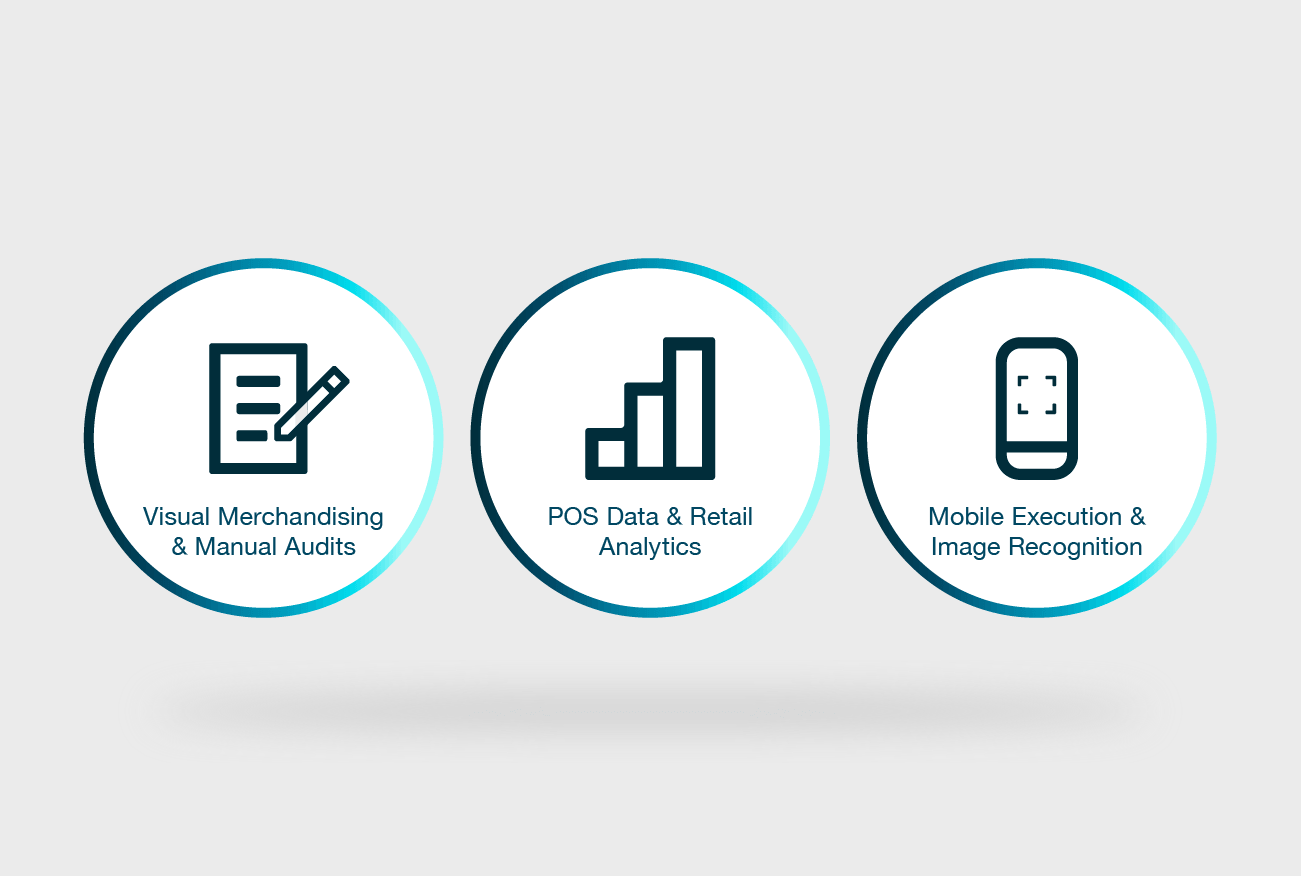
Retail Analytics and the Rise of Data-Driven Decisions
The first major shift came when point-of-sale systems began capturing transaction data at scale. For the first time, planners and merchants had access to something more reliable than intuition: numbers.
This unlocked a new layer of capability:
- Sales and inventory data that revealed which products were moving and which were sitting
- Demand forecasting that helped businesses align stock levels to buying patterns before shelves ran dry
- Category-level performance metrics that gave operations teams the ability to evaluate what was working across their assortment
For retailers managing large store networks, this was a critical turning point. Decisions that had previously relied on a buyer’s instinct could now be grounded in accurate, repeatable data. Customer satisfaction improved as availability gaps narrowed and assortment planning became more precise.
But there was a catch. The data told you what had happened. It couldn’t tell you what was happening right now, on the shelf, in real time.
From Static Plans to Dynamic Optimization
As retail planning software matured, so did the ambition behind it. Tools evolved from simple reporting systems into platforms capable of supporting more dynamic, flexible merchandising strategies.
Planners could now:
- Build and adjust forecasts based on demand signals rather than historical averages alone
- Create targeted promotions tied to specific store formats, regions, or customer segments
- Optimize allocation across locations to reduce overstock in slow markets and prevent stockouts in high-demand ones
- Define business rules that automated routine decisions, freeing up teams to focus on higher-value work
This was a meaningful leap forward for retail operations. The ability to leverage data at this level of precision—and act on it faster—gave leading platforms a genuine edge in a competitive market.
But even the most sophisticated merchandising planning tools and systems have the same fundamental limitation: they can only optimize what they can see. And what it couldn’t see was the store.
The Modern Challenge: Bridging Strategy and In-Store Execution
Here’s the problem that no amount of retail planning software has been able to solve on its own: stores don’t execute on strategy—they execute on reality.
A perfectly built planogram, a well-funded promotional calendar, and a precisely optimized assortment strategy all depend on one thing: whether they’re executed correctly in the real world. And that execution happens across hundreds or thousands of stores, carried out by field teams managing more stops, more SKUs, and more compliance requirements than any manual process was designed to support.
This is where the gap emerges. Between HQ strategy and in-store reality, revenue is lost in ways that rarely surface in planning systems until it’s too late.
Industry estimates place total retail losses—including returns, shrinkage, fraud, and operational inefficiencies—at roughly $796 billion globally, underscoring just how large that execution gap has become.
And the drivers behind it are consistent across retail organizations:
- No real-time visibility: Without timely shelf data, teams operate on assumptions rather than reality. Stock may appear healthy in a system while a rep finds competitor facings where your product should be.
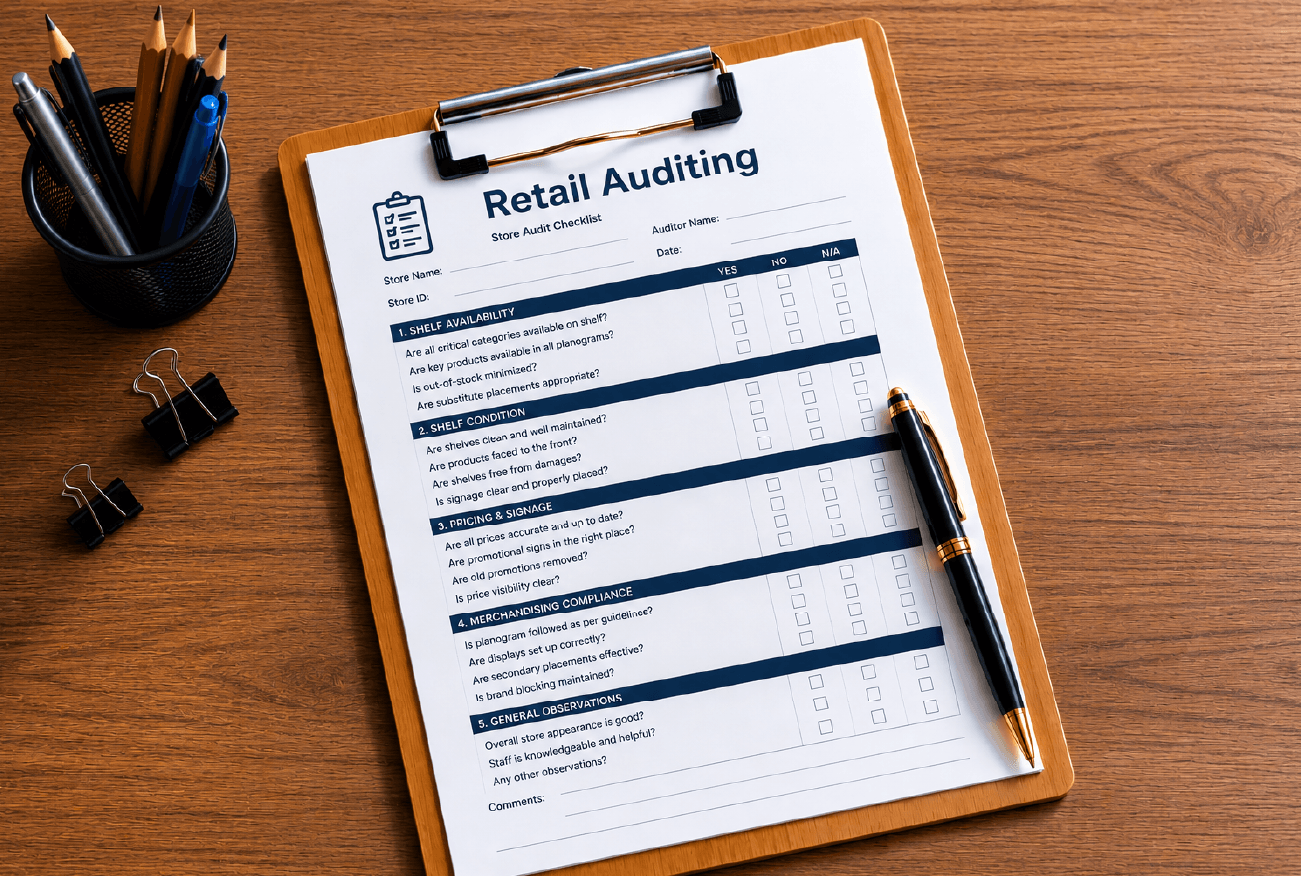
- Manual audits that don’t scale: Paper-based checks and spreadsheet reporting create high effort but inconsistent outcomes, especially across large store networks.
- Delayed reporting cycles: By the time issues surface, promotional windows may have already closed—along with the revenue opportunity.
- Inconsistent execution across locations: Without standardized, mobile-first workflows, performance varies widely from store to store and from rep to rep.
Individually, these are operational challenges. Together, they create a structural misalignment: planning systems grow more precise, while execution remains largely disconnected from real-time store conditions.
Closing this gap requires more than better planning. It requires a shift in how execution is captured, measured, and acted on in the field.
What Modern Merchandising Tools Should Deliver
The right merchandising tools don’t just help you plan—they close the loop between strategy and in-store reality. For retailers and CPG brands operating at scale, having the right tools in place is essential to retail success. It’s the difference between merchandising efforts that actually boost sales and a strategy that looks good on paper but never really reaches the shopper.
So what key features should you look for when evaluating modern solutions?
Product Visibility in Real-Time Retail Execution
Your tools should tell you what’s happening on the shelf right now—not what happened last Tuesday. Real-time customer data and field data give your operations team the ability to respond to availability gaps, pricing inaccuracies, and compliance failures while there’s still time to act.
When your system surfaces actionable insights in real time, your team stops managing yesterday’s problems and starts preventing tomorrow’s. This, in turn, protects revenue, enhances customer satisfaction, and ensures your brand meets customer expectations across all of your locations.
Key visibility capabilities to look for:
- Accurate, real-time stock data that reflects shelf reality rather than system assumptions
- Product visibility tracking that confirms priority SKUs are prominently displayed and facing forward
- Compliance scoring that tells you instantly whether your display and signage standards are holding across your store network
- Integration with existing inventory management systems so your stock decisions are always based on what’s actually on the shelf
Mobile-First Execution for Field Teams
Modern merchandising execution lives on a mobile device. Your field reps shouldn’t be carrying clipboards or manually transferring data at the end of a long day. The right platform puts everything they need in one place, allowing your team to focus on execution rather than administration:
- Guided task workflows that standardize performance across every store and every rep
- Photo reporting that creates an accurate, verified visual record of in-store conditions
- Offline functionality that keeps teams productive in low-connectivity environments
- Real-time alerts that surface compliance issues the moment they’re detected, enabling faster response and increased sales opportunities across your network
Data That Drives Action, Not Just Reporting
This is where many legacy tools fall short. Generating data is not the same as generating actionable insights that your team can act on. The best tools connect what your field teams see in store directly to the informed decisions your leadership needs to make—creating alignment between in-store execution and your broader business goals.
Modern merchandising tools should give your team the full potential to:
- Optimize product visibility and share of shelf to drive higher conversion rates
- Leverage customer behavior patterns across locations to inform smarter assortment and display strategy
- Create targeted promotions that reach shoppers at the right moment, in the right store, with the right product appeal
- Enhance customer engagement by ensuring the shopping experience in every location reflects your brand standards and quality
- Connect customer data to merchandising strategy, so your team can make informed decisions that drive purchases and improve customer experience across your entire range of locations
The most capable platforms don’t just collect data. They trigger automatic corrective workflows, score compliance with precision, and give planners and merchants the actionable insights they need to boost sales, improve customer satisfaction, and unlock the competitive edge that comes from knowing—not guessing—what’s happening in your stores.
One Platform, Not Five
Tool sprawl is one of the most underrated challenges in retail operations. When your capabilities are scattered across disconnected systems, the collaboration and alignment needed to act quickly breaks down—and your merchandising efforts suffer for it. Consider what that typically looks like in practice:
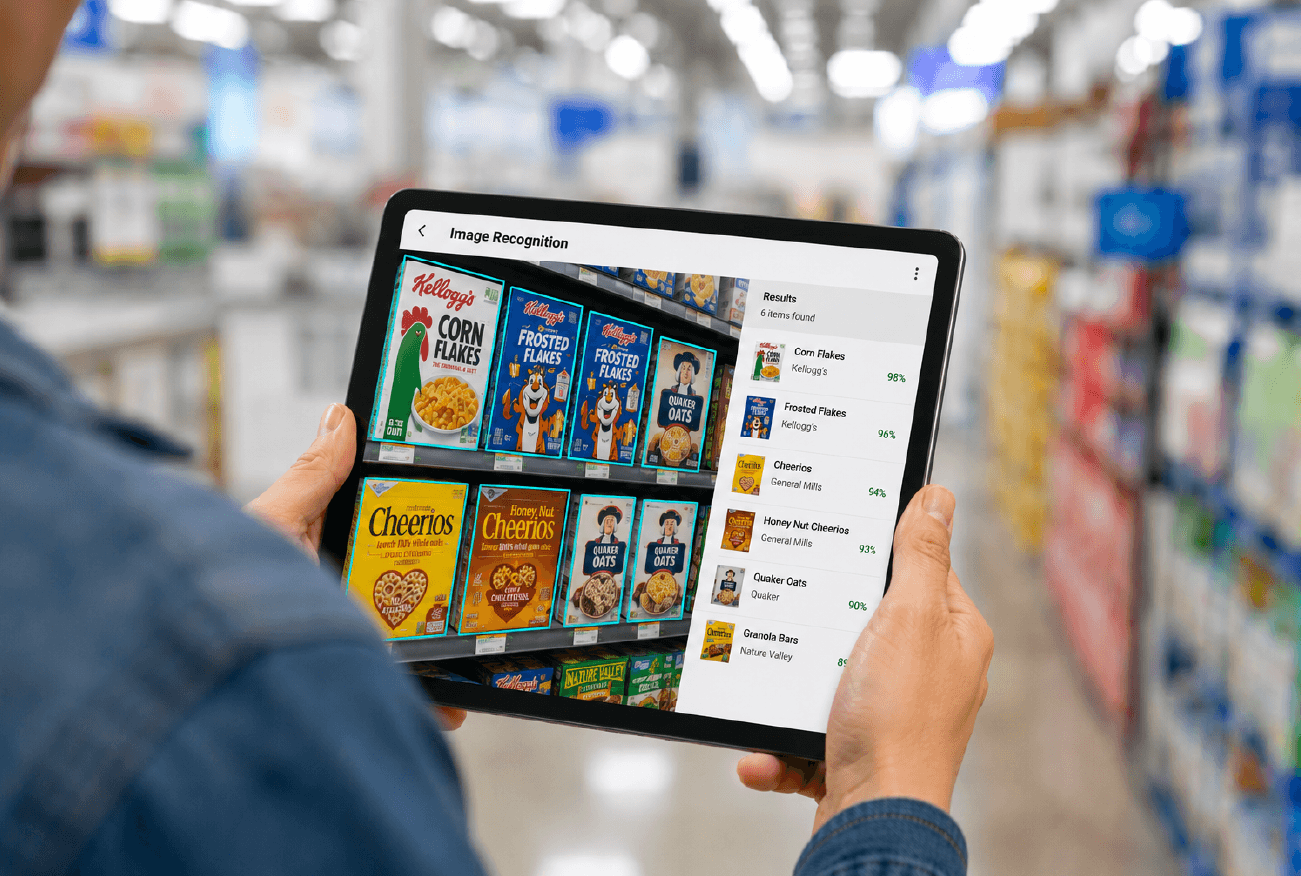
- Image recognition in one system
- Task management in another
- Photo reporting in a third
- Analytics and reporting in a fourth
Every handoff between systems is an opportunity for data to get lost, delayed, or misinterpreted. For retailers managing execution across hundreds of stores, that friction compounds quickly.
The best tools available today bring these capabilities together in one platform—giving your field teams, regional managers, and HQ leadership the ability to work from the same accurate data, toward the same business goals, without the technology overhead of stitching together multiple solutions.
For retailers ready to move beyond manual processes and legacy systems, this is what modern merchandising looks like: a unified platform that connects strategy, execution, and customer data in one place—flexible enough to scale with your business, and precise enough to close the gap between what you planned and what’s actually happening in store.
Merchandising Is Now an Execution Discipline
The evolution of merchandising has always been about closing the gap between strategy and store reality. From visual merchandising tools to inventory systems to today’s digital execution platforms, each step has given retailers and CPG brands greater visibility into what’s happening in-store—and the ability to act on it faster.
Today, the advantage belongs to brands that execute consistently across every location. Success depends on giving field teams the tools, data, and workflows to turn strategy into measurable in-store performance.
GoSpotCheck by FORM is built for exactly that—combining image recognition AI, mobile task management, and photo reporting in one platform that helps teams capture accurate data and resolve issues in real time.
Book a demo with us today to see how FORM helps retailers and CPG brands connect merchandising strategy with in-store execution.
Frequently Asked Questions
How do merchandising tools improve retail execution and customer satisfaction?
Modern merchandising tools improve retail execution by giving field teams real-time visibility into shelf conditions, standardized mobile workflows, and faster reporting from the store level. Instead of relying on delayed audits or manual spreadsheets, retailers and CPG brands can identify compliance issues, out-of-stock products, and display problems as they happen—allowing teams to correct issues before they impact availability, in-store experience, and ultimately customer satisfaction.
What features should modern merchandising software include?
Modern merchandising software should include real-time shelf visibility, mobile task management, photo reporting, compliance scoring, offline functionality, and integrations with inventory management systems. The most advanced platforms also use image recognition AI to automate shelf audits, verify planogram compliance, and surface actionable insights that help retailers and CPG brands respond faster to in-store issues.
What is an example of a merchandising tool?
Merchandising tools span a wide range of capabilities. Traditional examples include planograms, signage systems, and visual merchandising tools like display fixtures and floor planning software. Modern advanced tools include retail analytics platforms, inventory management systems, mobile field execution apps, and image recognition AI that scores planogram compliance at the SKU level—turning every store visit into accurate, actionable customer data your team can use to boost sales and enhance the customer experience.
How are merchandising tools evolving?
Merchandising tools have shifted from manual, physical processes to data-driven, mobile-first platforms that connect strategy to in-store execution in real time. The most significant shift has been the move from tools that tell you what happened to tools that show you what’s happening right now—giving your team the actionable insights and competitive edge needed to respond to availability gaps, compliance failures, and changing customer expectations before they impact conversion rates and revenue.
How do merchandising tools create a competitive edge?
Modern merchandising tools create a competitive edge by shifting retailers and CPG brands from reactive reporting to real-time execution. Teams that can identify and resolve in-store issues faster maintain better product availability, stronger compliance, and more consistent customer experiences—resulting in fewer lost sales and stronger performance across every location.