


Grocery store operations live and die by two critical metrics: managing labor hours and maintaining strict on-shelf availability. When your teams rely on manual checks, verifying shelf conditions becomes a slow and highly inconsistent process that simply does not scale across hundreds of locations and high-variance departments.
Image recognition technology solves this fundamental problem by turning physical shelves into objective, actionable data. It closes the execution loop, enabling your field and store teams to identify and fix issues faster while protecting your bottom line.
In this comprehensive guide, we will explore how grocery store technology has evolved to meet modern demands. Learn exactly what visual AI can verify on the shelf, discover the most common operational use cases, and understand how the unified execution loop works.
How has grocery store technology evolved?
For decades, verifying store conditions meant sending district managers or field reps down the aisle with a clipboard. This eventually evolved into mobile data capture, where teams manually answered survey questions on smartphones. While these early grocery store apps digitized the reporting process, they still relied on subjective human observation, which is inherently prone to fatigue, miscounts, and error.
Today, artificial intelligence has shifted the paradigm from manual data entry to automated shelf truth. Retailers and CPG brands use computer vision to process images in seconds, instantly identifying out-of-stocks and missing digital price tags. This evolution is critical because manual methods combined with delayed reporting cannot solve the labor constraints and complex inventory management challenges of modern retail. You need immediate, validated data to trigger automated tasking and fix issues before shoppers even notice them.
Why does image recognition matter for grocery operations?
Grocery retailers face a perfect storm of labor scarcity, incredibly thin margins, and massive SKU complexity. Asking your stretched store associates to manually audit thousands of fast-moving items is a misuse of their valuable time. Image recognition provides a dependable solution by establishing definitive “shelf truth” across your locations. Instead of relying on subjective eye checks or delayed sales data, your operations teams gain consistent, objective verification of exactly what is happening in every aisle, powered by machine learning algorithms.
This operational efficiency ties directly to your most important business outcomes. By automating the auditing process, you drastically reduce wasted labor hours. Your district managers and field reps can focus on high-value tasks like category planning and proactive problem-solving rather than simple data collection.
Most importantly, gaining immediate visibility into shelf conditions helps you prevent out-of-stocks before they cost you sales. This is crucial, especially when you consider 51% of shoppers switched their primary grocery store due to out-of-stocks. When you know exactly what is missing or misplaced in real time, you can prioritize inventory management and protect customer loyalty.
Capturing shelf truth in high-variance departments
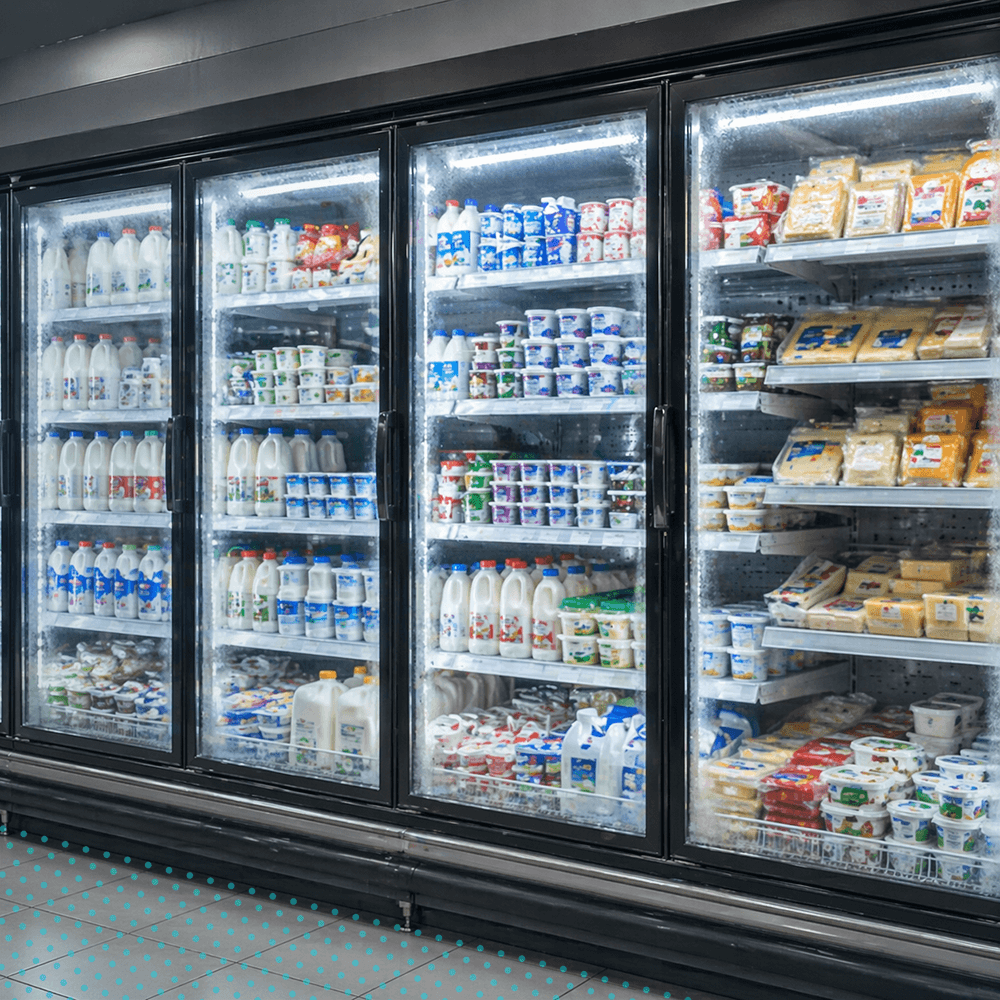 The grocery industry is distinctly harder to audit than other retail environments. Your stores deal with frequent promotional resets, constant product substitutions, and shifting facings based on localized demand.
Fast-moving items in produce, dairy, and center-store aisles change conditions by the hour, making traditional manual checks immediately obsolete. Image recognition technology is specifically designed to handle this highly dynamic environment.
The AI can identify objects accurately even when shelves are crowded, disorganized, or undergoing a mid-day restock. This ensures your operational data remains highly reliable and actionable, no matter how fast your specific departments move.
Reducing the cost of out-of-stocks
Every empty shelf space represents lost revenue and a frustrating in-store experience for your shoppers. Image recognition directly addresses this by catching missing items the moment a photo is processed. This leads to fewer missed replenishments and virtually eliminates those costly “empty shelf surprises” that typically go unnoticed until the end of a shift.
By focusing purely on exception handling, your team can pull products from the backroom to the floor faster, capturing sales that would have otherwise walked out the door with a disappointed customer.
What can image recognition verify on the shelf?
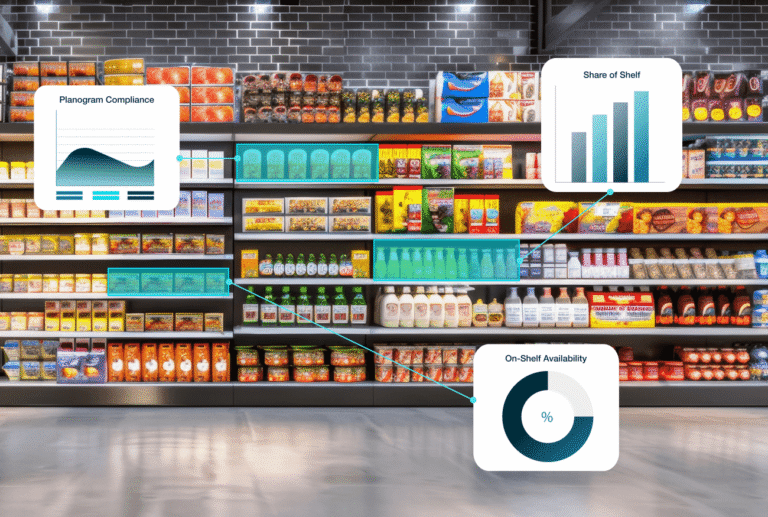
A single photo of a grocery aisle contains thousands of data points. When processed through advanced image recognition software, that raw visual information transforms into highly structured, actionable insights for your merchandising and store operations teams. The system evaluates the realogram against your planned standards to instantly identify gaps. Here is exactly what the technology can verify during a typical store visit:
- On-shelf availability (OSA) and out-of-stocks (OOS): The AI instantly flags missing items against your master product list, allowing for rapid replenishment.
- Facings and share of shelf: The software counts exactly how many facings your high-velocity SKUs have, verifying that your negotiated space agreements are honored.
- Planogram and set compliance: It compares the live shelf photo against the digital planogram to catch misplaced items, which is especially critical after complex seasonal resets.
- Promo and display execution: You can easily verify that endcaps, freestanding displays, and secondary placements are built correctly and fully stocked.
- Price and promo tag presence: The system checks for missing, damaged, or incorrect pricing labels, helping prevent pricing compliance fines and shopper friction.
- Shelf condition signals: It detects underlying issues like product plugging or severe gaps that require immediate attention from store associates.
Ultimately, the goal of capturing this data is to enable exception-based work, allowing your teams to immediately fix what is broken and confidently skip what is already performing well.
What are the most common use cases of image recognition in grocery stores?
Having access to deep learning and object detection is only valuable if it translates into practical daily workflows. Grocery retailers and CPG partners use this technology to fundamentally change how they walk the store and prioritize their daily tasks. By integrating AI into their existing routines, operators can streamline their most repetitive responsibilities. Here are the most common use cases driving value on the floor today:
- Exception-based shelf walks: Managers stop manually checking every aisle and instead visit only the sections the software flags as non-compliant.
- Automated replenishment triggers: When the system detects an out-of-stock item, it automatically generates a restock task for the nearest available store associate.
- Post-reset validation: After a major category reset, a quick photo audit confirms that the new layout aligns perfectly with the intended merchandising strategy.
- Frictionless promo verification: Field reps can confirm the execution of weekly circular promotions without having to fill out lengthy, multi-page survey forms.
- Price label verification: Teams use the camera to quickly spot missing tags or discrepancies between the shelf price and the point-of-sale system.
- Backroom-to-shelf alignment: Operations teams can lightly audit backroom inventory levels against front-of-house voids to identify bottlenecks in the stocking process.
- Cross-district performance tracking: Leadership can identify repeat execution issues across different store formats to provide targeted coaching and improve overall consistency.
By applying the technology to these specific use cases, you ensure that every photo taken directly reduces manual admin work and improves the customer experience.
Solving the labor crunch with exception-based execution
The true value of artificial intelligence in a retail environment is fundamentally changing how your workforce operates. When you transition to an exception-based execution model, you reframe the concept of labor savings. The goal is to dramatically reduce the number of manual audits, eliminating redundant re-walks and cutting out hours of backend administrative work.
Image recognition helps your teams spend their limited labor hours precisely where they move the needle most. If an aisle is perfectly compliant, the software verifies it in seconds, and your reps can move on. If an endcap is missing critical inventory, the system points it out immediately. This targeted approach ensures that your payroll actively drives sales and enhances customer satisfaction rather than simply funding basic compliance checks.
Consider the immediate operational benefits of this shift:
- Fewer manual checks: Reps photograph the shelf and let the AI do the heavy lifting of counting and verifying.
- Faster problem resolution: Teams spend their time pulling inventory and fixing displays instead of writing down what is broken.
- Better daily prioritization: Managers can confidently direct their staff to the highest-priority revenue opportunities first thing in the morning.
Reducing admin work for store and field teams
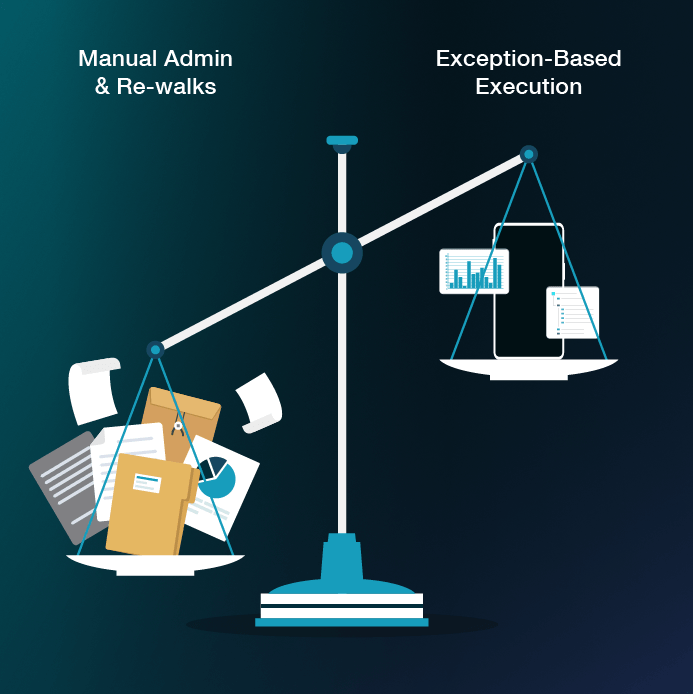 Administrative burden is a massive drain on your frontline morale and productivity. By adopting AI-powered digital store audits, you eliminate the need for manual data entry and subjective compliance scoring. Your district managers spend significantly less time compiling post-visit reports and more time actively coaching their store teams.
Using advanced photo organizing software, the captured image serves as the undeniable, organized proof of execution. This completely removes the tedious back-and-forth arguments about what a shelf actually looked like during a visit, freeing up valuable administrative hours every single week.
Making frontline execution more consistent across locations
One of the biggest challenges for a VP of Store Operations is ensuring that a location in one city looks identical to one in another city three states away. Standardized visual verification strips away human bias and drastically improves consistency across all your districts and varying store formats.
When every single field rep uses the exact same AI standards to evaluate a promotional display or a complex grocery aisle, you get an accurate, normalized baseline of your operational health. This unified data allows leadership to easily spot regional trends and make structural improvements that lift the performance of the entire fleet.
How a closed-loop workflow drives execution
Identifying a missing product is only helpful if someone actually restocks it. Progressive grocery retailers rely on a closed-loop approach that connects discovery directly to resolution. This is exactly where GoSpotCheck’s image recognition app steps in to facilitate the entire process. It connects the dots between what the camera sees and what the rep needs to do. Here is how this closed-loop workflow accelerates your daily store operations and protects revenue.
1. Detect
The cycle begins the moment a store associate or field rep captures a photo of the aisle using the GoSpotCheck mobile app. The image recognition software analyzes the shelf scan results in a matter of seconds. It immediately identifies critical exceptions such as out-of-stocks, missing promotional tags, severe planogram non-compliance, and empty shelf gaps. This crucial first step replaces tedious, error-prone manual counting with rapid, highly accurate digital detection, ensuring that no execution failure goes unnoticed during a routine store walk.
2. Notify
Once an exception is successfully detected, the system does not wait for an end-of-day report to sound the alarm. Real-time alerting immediately routes the specific issue to the right person or store team based on their defined role and location. For example, if a high-velocity item is missing from a cooler, the inventory manager receives a targeted notification. This smart routing ensures the people closest to the problem have the information they need to act quickly.
3. Fix
The final and most critical step in the loop is immediate resolution. GoSpotCheck automatically generates prescriptive tasks that drive rapid correction while your teams are still physically present in the store. This proactive workflow entirely prevents the common industry pitfall of “reporting after the fact,” where issues are discovered too late to salvage sales. Associates simply follow the prompted task, restock the item, and snap a follow-up photo to prove the fix is complete.
This seamless transition from detection to verified action is the ultimate key to maximizing daily revenue.
How to roll out image recognition without slowing stores down
Introducing new grocery store technology can feel daunting to field teams who are already stretched thin. The key to a successful adoption is implementing the software in a way that immediately proves its value without disrupting established daily routines. Follow these practical rollout guidelines to ensure a smooth transition for your organization:
- Start by deploying the technology in one or two high-impact departments, such as the beverage aisle or center-store snacks, before expanding.
- Clearly define what “good” looks like in your systems so the AI has accurate planogram standards to measure against.
- Train your frontline teams to focus purely on the exceptions that trigger action, rather than striving for unattainable visual perfection.
Build a consistent feedback loop between field reps and leadership to continuously tune the model to match actual store realities. - Measure the specific outcomes that operations leaders care about most, including labor time saved, out-of-stock reductions, and compliance lift.
- Expand the rollout district-by-district only after your initial exception-based workflows are completely stable and confidently adopted by the staff.
A measured, phased approach guarantees that your teams view the technology as a helpful operational tool rather than an administrative burden.
Ready to eliminate manual audits and drastically reduce out-of-stocks? Request a demo today to see how FORM’s field sales management app can transform your grocery operations with verifiable, real-time shelf intelligence.
FAQs
How accurate is image recognition in a real grocery environment?
Modern image recognition algorithms are highly accurate, even in challenging environments with poor lighting or crowded shelves. The AI is specifically trained on millions of retail images to identify subtle differences between packaging sizes and flavor variants.
Can it work in coolers and backrooms with low connectivity?
Yes, leading platforms are built with offline-first capabilities to handle typical grocery store dark zones. Field reps can capture images in deep freezers or backrooms, and the system will automatically sync and process the data once a connection is restored.
How does this reduce out-of-stocks in practice?
The technology flags missing products instantly during a routine shelf scan. This immediately triggers a localized task for a store associate to pull that exact item from the backroom, filling the void before a shopper even notices it is gone.
How much labor can this realistically save?
While the exact number varies depending on your store footprint and current processes, automating audits consistently recovers thousands of hours annually. Teams transition from spending large portions of their shift on manual data entry to executing high-value merchandising tasks.