

Walk into any well-run grocery or liquor store, and you’ll notice something: the beer section looks deliberate. Products are faced forward, coolers are stocked, endcaps are branded, and seasonal promotions are exactly where they should be. That doesn’t happen by accident. It happens because a beer merchandiser showed up and did their job.
But what exactly does that job entail? And how is it changing? Whether you’re exploring a career in beverage distribution, managing a field team, or trying to understand how beer merchandising fits into a broader retail operation, this guide covers the role from the ground up—and where it’s headed in 2026.
Key Takeaways
- A beer merchandiser is a field professional responsible for ensuring beer products are correctly stocked, displayed, and compliant with brand and retailer standards at the store level.
- The role sits at the critical intersection of the distributor and retailer relationship, directly influencing how beer brands perform in-store.
- Beer merchandising has evolved well beyond shelf stocking—today’s merchandisers are expected to execute with greater precision, document their work digitally, and report in real time.
- Technology is reshaping the role in 2026, with mobile tools, photo verification, and workflow automation raising the bar for execution consistency and accountability.
What Is a Beer Merchandiser?
A beer merchandiser is a field professional responsible for ensuring that beer products are properly stocked, displayed, and presented in retail environments. Their primary job is to make sure the right products are in the right place, in the right quantity, and looking exactly as the brand and retailer intend.
The role exists within a well-defined supply chain. Beer travels from brewery to distributor to retailer, and it’s at that final leg where the beer merchandiser steps in. Most merchandisers are employed by distributors or third-party merchandising companies, working across a territory of retail accounts on a regular rotation—the boots-on-the-ground link between a distributor’s portfolio and the store shelf.
You’ll generally find three types operating in this space:
- Field merchandisers who travel between multiple retail accounts, handling stocking and display compliance across a set territory
- Retail merchandisers dedicated to a single high-volume store or small cluster of locations
- Distributor-led merchandisers who work directly for a beer or beverage distributor and execute across that distributor’s full portfolio
Regardless of type, the core function is the same: ensure the brand appears correctly on the shelf. But in practice, that involves a much more detailed set of responsibilities.
What Are the Key Responsibilities of a Beer Merchandiser?
The day-to-day work of a beer merchandiser is more involved than it might appear from the outside. Each store visit carries a defined set of tasks, and executing them consistently across multiple locations, and under time pressure, is what separates a good merchandiser from a great one.
Stocking, Facing, and Inventory Rotation
The most fundamental part of the job is making sure beer products are on the shelf, correctly faced, and available to shoppers. Merchandisers pull stock from the back room, fill shelves and coolers, and apply FIFO (First In, First Out) rotation, which means moving older product to the front to protect quality and maintain the retailer’s trust. An empty shelf is a lost sale, and that reflects on everyone in the supply chain.
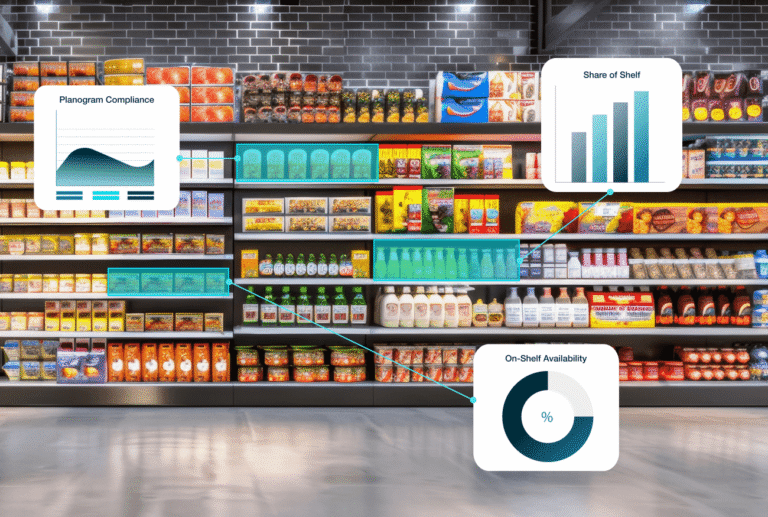
Planogram Compliance
Brands invest significantly in shelf placement strategy, and it’s the merchandiser’s job to make sure those plans are accurately reflected in every store. This means the right products, in the right positions, with the correct number of facings. Consistency across locations is what turns a planogram from a document into a real competitive advantage.
Building and Maintaining Beer Merchandising Displays
Beyond the shelf, merchandisers are responsible for setting up and maintaining product displays that do the heavier lifting for a brand in-store. Endcaps, cooler door decals, aisle displays, and promotional setups all fall within the role, and executing them correctly is one of the most visible ways a merchandiser can maximize sales for their distributor and brand partners.
Reporting and Field Intelligence
A strong beer merchandiser goes beyond restocking—they observe. Noting out-of-stocks, pricing discrepancies, and competitor activity gives the sales team the field intelligence it needs to respond quickly. This reporting function is becoming an increasingly critical part of the role as companies raise their expectations for data accuracy and real-time visibility.
Beer Merchandising in Retail Environments
Beer merchandising doesn’t look the same in every store. A large-format grocery chain operates very differently from an independent liquor store, and a convenience store has different priorities again. But across all retail environments, a few principles hold constant: shelf visibility matters, brand placement is competitive, and promotions only deliver results when they’re executed correctly.
Merchandisers work closely with store managers and retail staff to protect their brand’s position on the shelf, coordinate seasonal campaigns, and ensure agreed-upon placement is holding between visits. Shelf positioning in beer and alcohol retail is rarely neutral — eye-level placement, end-of-aisle visibility, and proximity to complementary products like wine and spirits all influence what a shopper reaches for.
Beer Merchandising Displays and Execution
Beer merchandising displays are one of the highest-impact tools available to a brand at the retail level. The most common formats a beer merchandiser will work with include endcaps, cooler doors, freestanding off-shelf merchandising displays, and point-of-sale materials like signage and shelf talkers.
Seasonal merchandising is a significant part of the calendar—summer occasions, holidays, and sporting events all demand dedicated display planning and precise execution. A display that looks perfect in one store but is missing from another is a compliance failure, and in competitive retail, those gaps translate directly to lost sales.
How the Beer Merchandiser Role Is Evolving in 2026
The core responsibilities of a beer merchandiser haven’t disappeared, but the expectations around how they’re performed have shifted considerably. Distributors, brands, and retailers are all demanding more precision, more accountability, and faster turnaround on field data than ever before.
The biggest drivers of that shift include:
- Digital field reporting is replacing paper-based processes, with merchandisers logging store visits and submitting work through mobile apps
- Photo validation creates a verifiable record of execution, protecting employees and companies alike from relying on self-reported data
- Real-time compliance tracking gives teams instant visibility into whether displays and shelf standards are holding across their network
- Workflow automation reduces manual admin so merchandisers can focus on execution and maximize sales rather than paperwork
- Higher expectations for data accuracy and speed—field reports that once took days are now expected in real time
- Greater integration between beer merchandising, the sales team, and the supply chain—meaning field data now feeds directly into broader sales decisions
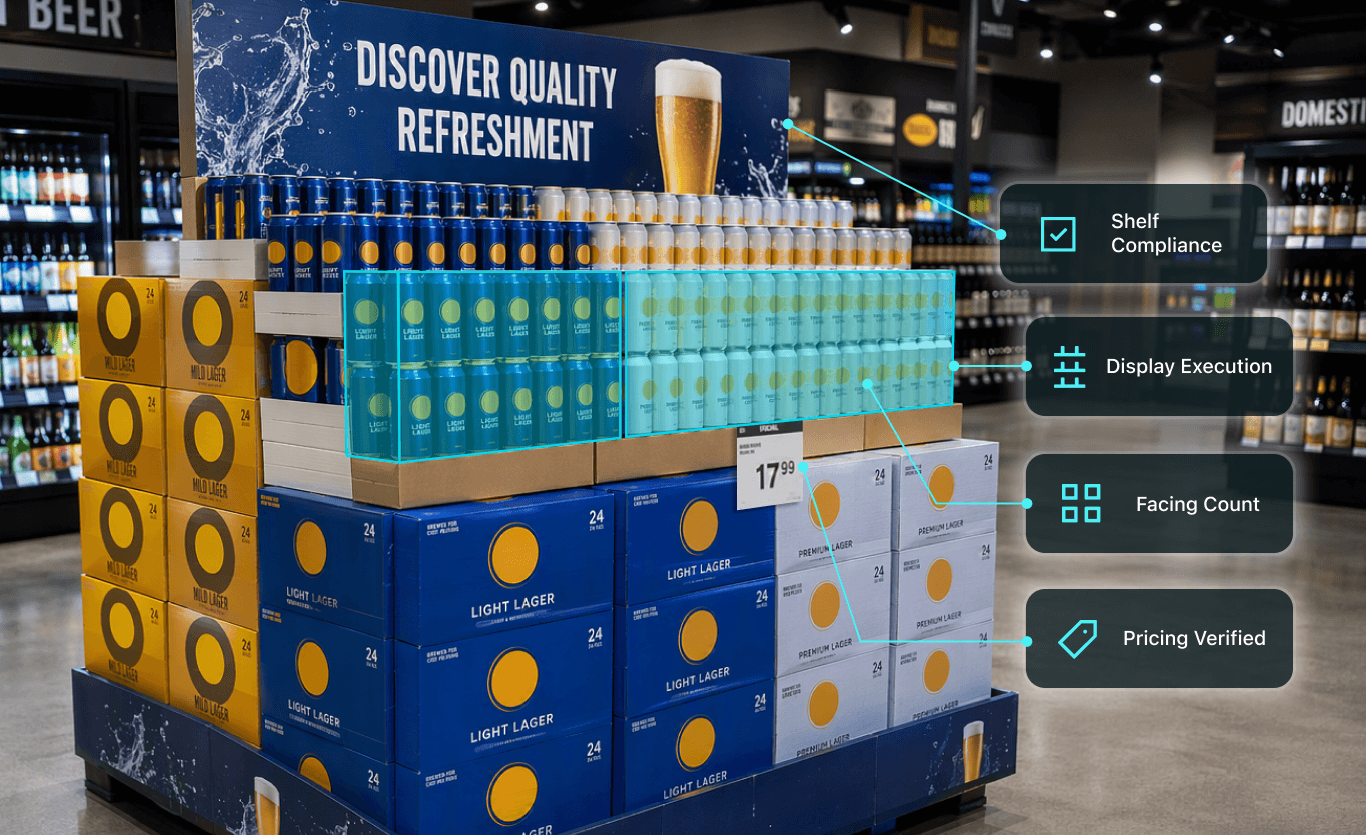
Platforms built for beverage distribution and merchandising teams are making this kind of connected field execution increasingly accessible. The beer merchandiser who can operate confidently within that environment—and develop the digital skills it now demands—is the one best positioned for long-term success in the role.
Skills Needed to Succeed as a Beer Merchandiser
The beer merchandiser role is an accessible entry point into the alcohol and beverage industry—but doing it well requires a genuine mix of physical, interpersonal, and, as mentioned earlier, increasingly digital skills. The person who thrives in this role is organized, observant, and comfortable working independently across multiple store locations throughout the week.
The core skills that help merchandisers perform at their best include:
- Attention to detail: Catching a planogram violation or a misplaced product before it costs the brand a sale is a core part of the job
- Communication: Building trust with store managers and retail staff is what makes visits run smoothly, and displays get prioritized
- Basic inventory awareness: Understanding how to rotate stock, read shelf levels, and flag availability issues is fundamental to the work
- Time management: Merchandisers often cover multiple cities and accounts in a single day, making the ability to meet deadlines and perform under pressure essential
- Comfort with mobile tools: Digital reporting, photo verification, and task management apps are now a standard part of the job across most distributors and brands
The training and development opportunities available within the role have expanded alongside its growing complexity. Many distributors now provide structured onboarding programs that cover everything from company policies to hands-on experience working the shelf, giving new employees a strong foundation to build a career from.
The Beer Merchandiser’s Place in a Changing Retail Landscape
The beer merchandiser has always been a critical link in the beverage supply chain. What has changed is the complexity of the environment they’re operating in, and the standards they’re now expected to meet.
Consumers are more discerning, retailers are more demanding, and brands are under constant pressure to protect their shelf position. The merchandisers who stand out aren’t just doing the physical work well, but contributing data, supporting the sales team, and helping their company make smarter decisions about how to maximize sales in-store. As perfect store execution becomes the benchmark, the role will only continue to develop—demanding sharper skills, stronger communication, and greater comfort with the digital tools that now define the job.
Book a demo today and see how FORM helps beer and beverage teams track execution, improve merchandising compliance, and grow in-store sales.
FAQs About Beer Merchandising
How does a beer merchandiser support the sales team?
While sales teams secure placements and retailer agreements, beer merchandisers ensure those placements are executed correctly. They keep shelves stocked, maintain displays, monitor compliance, and report field insights such as out-of-stocks and competitor activity back to the sales team.
What can a beer merchandiser do to maximize in-store sales?
Maintaining product availability, executing displays correctly, and securing premium shelf or cooler placement are the biggest drivers of sales. Consistent planogram compliance helps shoppers find products easily, increasing purchase opportunities.
What does a typical day look like for a beer merchandiser?
Most days involve visiting multiple retail locations to restock shelves, rotate inventory, maintain displays, verify planogram compliance, communicate with store staff, and document work through reporting tools.
How do company policies affect a beer merchandiser’s work?
Company policies guide everything from display standards and reporting procedures to alcohol compliance requirements. Following these guidelines helps protect retailer relationships and ensures legal and contractual compliance.
What career opportunities exist beyond the beer merchandiser role?
Many merchandisers advance into sales, field management, or trade marketing positions. Common next steps include territory sales representative, merchandising supervisor, and field sales manager roles.