


Key Takeaways
- Gen Z accounts for over 40% of U.S. consumers and possesses hundreds of millions in disposable income, making their long-term loyalty critical to a retailer’s bottom line.
- Traditional marketing fails with this demographic; instead, they rely on social media influencers, celebrities, and peer recommendations to discover and purchase products.
- Gen Z expects brand alignment with their values, with 72% more likely to buy from companies that actively support social causes and demonstrate corporate social responsibility.
- Despite being digital natives, they heavily favor brick-and-mortar stores for groceries and beauty to get instant gratification, requiring brands to blend physical shopping with digital tools like QR codes and AR.
- They demand seamless retail execution—including rapid customer service, reliable on-shelf availability, and modern, contactless digital payment methods.
How Gen Z Has Already Changed Retail
Regardless of your stance on Generation Z, there’s no denying that they have power. They decide what trends are in and what trends are out (sometimes in a matter of days), they’re redefining the workforce, and they can rally together to take a stand. But more than just social power, they also have massive buying power.
According to a recent Bloomberg report, this group of teens and young professionals has $360 million in disposable income. And while today’s Gen Z’ers are more frugal and thrift-focused than generations before them, they still make up more than 40% of U.S. consumers and are looking for places to spend their money. Not just any places, though; Gen Z wants to buy from retailers that align with their values, deliver a personalized customer experience, and meet them where they are—whether that’s online or in-person.
For retailers to grab the attention (and the sales) of today’s most influential generation, they need to understand what motivates them, how they prefer to shop, and how they can change their day-to-day operational strategies to meet them where they are.
Why Retailers Must Adapt to Gen Z Now?
Gone are the days of older generations refusing to change their ways while blaming the younger generations for their new habits. With Gen Z’s immense buying power, retailers can’t afford not to adopt new shopping trends and modernize store operations to cater to their younger consumers. As the students and young professionals of Gen Z start earning larger paychecks, their buying power and influence in the market will only increase, and they will remember the retailers and brands that embraced them. Businesses that fail to realize the impact of this generation will see it reflected in their bottom line.
Gen Z Consumer Behavior, Habits, and Buying Power
The traditional marketing campaigns that work for older consumers may not work for Gen Z. Early 20-somethings are not enticed by FOMO marketing, high-value expensive goods, or nationwide clothing advertisements. Instead, Gen Z shoppers are motivated by a combination of value, exclusivity, and influence. In fact, 46% of Gen Z’ers said they would be influenced to buy something they’ve seen on social media from a celebrity or celebrity influencer, while 75% said they would buy something shared by a family, friend, or co-worker.
Influencers and brand ambassadors are a significant part of Gen Z, Millennial, and even Boomer shopper preferences, with 38% of all consumers saying they trust social media influencers over brands. This trend is just one of the many that Zoomers are now expecting from their shopping experience.
While social media is a powerful engine for product discovery, it creates a massive operational vulnerability for retailers: unpredictable, overnight spikes in demand. A viral TikTok product is a nightmare if it leads to empty physical shelves. Gen Z’s social media driven shopping habits mean that a trending product can sell out in a matter of hours. To survive this new era of instantaneous, influencer-driven demand, enterprise brands must equip their field teams with real-time data to allow reps to instantly identify out-of-stocks (OOS), trigger rapid replenishment, and capture the sale before the Gen Z consumer abandons the store for a competitor.
The Biggest Gen Z Shopping Trends Retailers Need to Act On
Buying via Influencers
If retailers want to reach Zoomers, they need to meet them where they are—and where they are is social media. It’s estimated that Generation Z spend an average of 3 hours on social media each day, and they’re not just scrolling. Approximately 27% of teens and young adults are expected to shop through social media apps in 2022, and many of them are purchasing products from influencers or celebrities.
If retailers and brands can leverage the power of influencer marketing and brand ambassadorship, they can position themselves as valuable in the eyes of Gen Z customers, push unique inventory, and optimize sales.
Supporting Social Causes
Gen Z may have a bad reputation for being entitled, but when it comes to the causes they stand for and corporate social responsibility, they are authentic and unwavering. Gen Z isn’t just buying a product, they’re buying into a brand. They are looking beyond a company’s mission and values statement and are calling on brands to actually practice what they preach, with 72% of Zoomers more likely to buy from a company that contributes to a social cause.
Whether it’s through making charitable donations, being environmentally conscious, or taking a stand against social issues, the retailers and brands with an impact-driven mission are the ones who will earn Gen Z’s respect, loyalty, and dollars.
Combining Online and In-Store Experiences
Gen Z, also called the Digital Natives, was born into a world that was already online. They’ve spent their whole life surrounded by technology and social media, and, when COVID-19 hit, began to depend on it even more. They, along with billions of others, began to rely on Instacart, Doordash, and two-day shipping. However, now that we’re living in a somewhat post-COVID world, Zoomers are craving in-store customer experiences.
While retailers have been trying to win e-commerce for Gen Z for years, this generation may be the first one to see opportunities in both the digital space and in brick-and-mortar stores. A recent survey from Path to Purchase Institute found that 79% of Gen Z’ers prefer to buy groceries in-person, while 48% prefer to buy beauty products in-store. The number one reason (62%) for preferring to shop in person is the ability to see and interact with the items in person. The second? Immediacy of purchase. They may be the generation of the smartphone, but they’re also the generation of instant gratification. And sometimes, even free two-day shipping isn’t enough.
How can retail stores cater to this truly omnichannel generation? By perfecting the shopping experience both in-store and online, but also by combining the two experiences.
- Embrace the QR Code: Letting shoppers scan codes throughout the store can seamlessly connect your retail store to the digital world. They can learn more about a product, see similar items, or even get personalized discount codes.
- Create Unique Immersive Experiences: Sometimes, a unique store layout or merchandising display can influence Gen Z’ers to want to shop in person. Turn your sales floor into a fully-furnished kitchen, a campsite, or an Instagram-worthy clothing display to attract younger shoppers.
- Merge The Customer Service Experience: Generation Z values fast, responsive customer service; they are 60% more likely than the average consumer to hang up if the phone is not answered within 45 seconds. By staffing both their stores and offices with helpful, engaging employees, retailers can enhance the end-to-end customer service experience and encourage loyalty.
- Test Your Hand at Augmented Reality: Many clothing retailers are offering AR spaces and virtual reality fitting rooms that create an immersive and engaging shopping experience.
- Set The Standard for Stores: When a retail business has consistent and reliable standard operating procedures put in place that ensure proper inventory management, operational efficiency, and overall approachability, Gen Z’ers (and other demographics) will naturally want to shop there. Allowing potential customers to transition from browsing online to in-store seamlessly can encourage more sales and satisfaction.
Offering New Ways to Pay
Pricing and payment options at retailers have always been evolving—from cash and checks to cards and tap to pay. As a retailer, you never want a shopper to abandon their cart (in-store or digital) because they are unable to pay the way that they want. Contactless payments and other electronic waller services were convenient during COVID-19, but 70% of Gen Z’ers plan to continue using them after the pandemic. Retailers who embrace modern payment methods can further automate the shopping experience while also increasing sales.
How Stores Must Adapt to Gen Z Shopping Behavior
If Gen Z trends shift in a matter of days, retail operations can no longer survive on monthly or quarterly audit cycles. Adapting to this generation requires matching their speed at the shelf level, which means fundamentally changing how field teams operate. To move at Gen Z speed, brands must eliminate delays by equipping their teams with digital field sales management apps that automate data collection and guide reps through dynamic, in-store workflows.
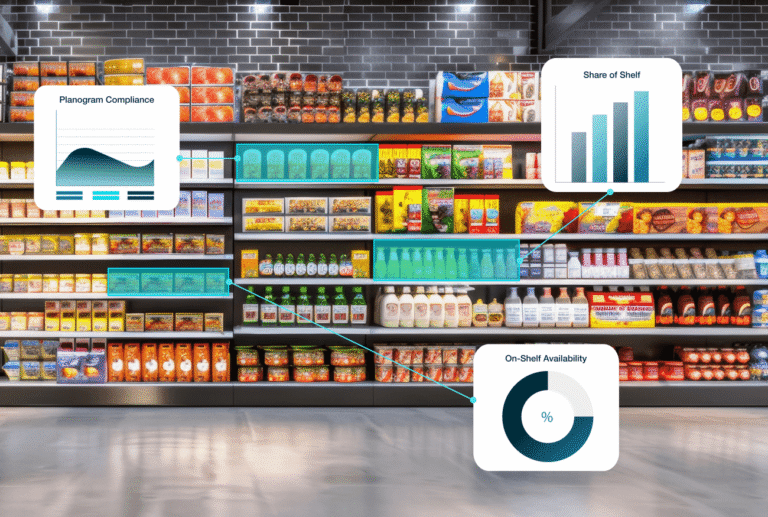
Beyond field efficiency, adapting to Gen Z requires a massive upgrade in data integrity. Because Gen Z is highly price-sensitive and value-driven, in-store promotions must be executed perfectly. Modeling effectiveness of these promotions based on manual field audits leads to flawed forecasting and wasted trade spend. Image recognition and automated photo reporting gain real-time visibility into shelf health, share of shelf, and promotional compliance. Ultimately, adapting to Gen Z isn’t just about offering the right products; it’s about utilizing modern execution tools to ensure those products are available, correctly priced, and presented the moment a shopper walks in the door.
Embracing Gen Z Shopping Habits
Retail employees and store management may be reluctant, but they can no longer ignore the impact that Generation Z has on shopping and retail store operations. Their influence and power buying is too large that if retailers don’t change their strategies, they will lose out on valuable sales.
But understanding Gen Z is only half the battle; executing at their speed is what protects your bottom line. Stop relying on manual audits and delayed data to manage fast-moving trends. Equip your field teams with FORM’s task management and AI-powered image recognition app to gain real-time “Truth from the Field”—ensuring your shelves are always stocked, compliant, and ready for the modern shopper.
And while their outfits and slang may be confusing, Gen Z’s shopping habits are pretty straightforward. These young consumers want to shop where they want, when they want, and how they want. It could be in a physical store, it could be on social media, and soon, it could be in the Metaverse. By understanding what Gen Z is looking for and how they’re looking for it, today’s retailers and brands can provide them with an engaging, authentic shopping experience that will drive sales and loyalty.