

The Bakery Leader’s Playbook:
A Guide to Resetting Operations for Maximum Impact
Introduction: The Bakery Department Is a Business Within Your Business
If you run a bakery department — whether you’re a bakery manager at a single store or an operations director overseeing hundreds — you’re running one of the most complex and high-potential departments in the entire grocery store.
Your department is a manufacturing operation (you bake product), a retail operation (you merchandise and sell it), and a perishable logistics operation (you manage inventory with a shelf life measured in hours, not weeks) — all within a few hundred square feet. No other department in the store asks its team to do all three simultaneously.
And yet, bakery is often treated as an afterthought in operational planning. Center store gets the planogram systems. Produce and meat get the quality attention. Bakery gets a binder of SOPs and a prayer that the morning baker shows up.
This guide is built to change that. Whether you’re inheriting a department that needs a turnaround or looking to take a solid operation to the next level, this is your roadmap.
Chapter 1: Understanding the Bakery P&L
The Revenue Opportunity
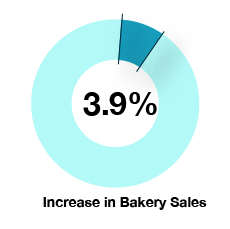
In-store bakery is one of the few categories in grocery that is genuinely growing. While retail bakery categories broadly have been under pressure — bread sales declining nearly 4% and cakes declining nearly 7% in units — the in-store bakery tells a different story. In-store bakery sales rose 3.4% to $4.9 billion in the most recent year, with pastries, Danish, and coffee cake up 5.6% and cakes up 4.3%. Donuts climbed 4% in dollars and over 3% in units.
Why? Because shoppers value freshness. They value the sensory experience of walking past a bakery that smells like fresh bread. And increasingly, they value convenience — the grab-and-go breakfast pastry, the “I need a cake for tonight” impulse purchase, the weekly cookie order that becomes a household habit.

Where Margin Disappears
But bakery is also uniquely vulnerable to margin erosion. The three biggest culprits:
Shrink
Fresh departments drive roughly 42% of total food retailer sales — but they also drive roughly half of total store shrink. In bakery, shrink happens every hour of every day: product stales, items are overproduced, displays aren’t rotated, damaged items aren’t pulled. A typical in-store bakery can see shrink rates of 3-5% of department sales. Cutting waste by even half a percentage point can have an outsized impact on net income — in fresh departments, trimming waste by 0.5 points can lift net income by approximately 17%.
Labor Inefficiency
The baking industry projects more than 53,000 unfilled roles by 2030. In-store bakeries feel this acutely: finding skilled bakers, training them quickly, and maintaining production consistency across shifts and locations is an ongoing battle. Every minute your team spends on non-value-add activities — hunting for paper SOPs, guessing at production quantities, filling out retroactive compliance paperwork — is a minute not spent baking, merchandising, or serving customers.
Inconsistent Execution
The difference between a bakery that drives destination shopping (think Publix’s Chantilly cake cult following, or H-E-B’s made-fresh tortilla program) and a bakery that shoppers walk past is execution consistency. When display standards vary by shift, when promotional programming is missed, when the 10am case refresh doesn’t happen — you lose the impulse purchase, the basket add, the reason someone chose your store over the competitor down the street.
Chapter 2: Daily Operations — Building the Foundation
The Opening Checklist: Your Non-Negotiable Starting Point
Every bakery shift should begin with a structured opening checklist — not a laminated sheet taped to the wall, but a digital, trackable, auditable workflow. Here’s what it should include:
Equipment verification: Confirm all ovens are at proper temperature. Verify proofer humidity and temperature settings. Check that refrigeration units are within range. Confirm slicers and mixers are clean and operational. With GoSpotCheck’s Bluetooth thermometer integration, teams can capture temperature readings directly into the mobile app — creating an automatic, time-stamped digital record that replaces handwritten temp logs and eliminates retroactive paperwork.
Production plan review: What’s the bake plan for today? Is it aligned with expected demand (day of week, weather, promotions, holidays)? Are all ingredients available? A digitized production plan in GoSpotCheck means the baker isn’t relying on memory or a whiteboard — they’re following a dynamic, schedulable task that can be adjusted from corporate in real time.
Display setup: Before the doors open, the bakery case should be set to standard. Which products go where? How full should each section be? What signage needs to be in place? GoSpotCheck’s photo reporting feature lets bakery teams capture a photo of their opening display and submit it as part of their checklist — giving district managers and corporate teams visual verification that standards were met.
Safety and sanitation: Was the closing sanitization completed properly last night? Are hand-washing stations stocked? Are allergen protocols in place? These aren’t optional — they’re the foundation of food safety compliance, and they need to be documented every single day.
Midday Refresh: The Critical 10am–2pm Window
The biggest execution gap in most bakery departments happens between the morning rush and the afternoon. The opening baker’s shift may be ending. The case starts to look sparse. Products baked at 5am are now 7+ hours old. This is where discipline separates good bakeries from great ones.
Build a midday refresh task in GoSpotCheck that triggers at a set time every day. Include: a display walk checking fullness and freshness, a photo capture of the case (compared against your standard), a production check on afternoon bake items, and a pull-and-markdown decision on morning items approaching their freshness window.
With GoSpotCheck’s scheduled task distribution, this midday checkpoint happens automatically — pushed to the right team member’s mobile device at the right time, with the right instructions.
Closing Procedures: Setting Up Tomorrow’s Success
Closing is about two things: food safety compliance and preparing for the next morning. Sanitization logs, equipment shutdown procedures, ingredient prep for the next day’s first bake, and a final shrink count of unsold product. Every item discarded should be logged — not just for waste tracking, but because over time that data tells you exactly where your production planning is off.
Chapter 3: Food Safety & Compliance
Bakery food safety isn’t just about avoiding violations — it’s about building a culture where compliance is effortless rather than an afterthought.
Temperature Monitoring
In a bakery, temperature matters at every stage: ingredient storage, proofing, baking, cooling, and display. The most common food safety failures in bakery departments come from two sources: products cooling too slowly through the “danger zone” (40°F-140°F) and display cases drifting out of range without anyone noticing until an inspector arrives.
GoSpotCheck’s Bluetooth thermometer integration transforms temperature logging from a paper-based chore into a seamless digital capture. A baker holds the IoT thermometer near the proofing cabinet, the temperature reads directly into the mobile app, time-stamped and geolocated. No handwriting. No retroactive completion. The data flows into centralized reporting dashboards where safety leaders can identify patterns — which locations have chronic temperature drift, which equipment needs service, which shifts are skipping logs.
Sanitization & Cleaning Schedules
Build cleaning and sanitization checklists as recurring scheduled tasks in GoSpotCheck. Each task requires the team member to confirm completion and can include photo verification — did the mixer actually get broken down and sanitized, or did someone just check a box? GoSpotCheck’s alert system can notify a manager immediately if a critical sanitization task is missed or overdue.
Allergen Management
With sesame now on the major allergen list and consumer sensitivity to allergens at an all-time high, bakery is ground zero for cross-contamination risk. Use GoSpotCheck to deploy allergen training content directly to bakery team members’ mobile devices, track completion of allergen awareness certifications, and create conditional logic tasks that trigger allergen-specific protocols when certain products are being produced.
Audit Readiness
You’re always one surprise health department visit away from a failed audit. The grocers who pass with flying colors aren’t scrambling to prepare when the inspector walks in — they’re running the same compliance protocols every single day, with digital documentation that they can pull up in seconds. GoSpotCheck creates a complete, searchable, time-stamped audit trail of every temp log, every cleaning schedule, every food safety checklist completed across every location. That’s not just compliance — it’s confidence.
Chapter 4: Merchandising & Display Execution
Your bakery case is your storefront within the store. How it looks at any given moment directly impacts whether a shopper adds a $6 item to their basket or walks past.
Display Standards: Define Them, Document Them, Verify Them
The best bakery operations have clear, visual display standards for every section of the case — bread, cookies, cakes, pastries, seasonal features. These standards should define: which products go where, what “full” looks like at different times of day, how seasonal and promotional items are positioned, and what signage is required.
With GoSpotCheck, you can attach reference photos and planogram guides directly to tasks. When a bakery team member completes their display setup, they see exactly what the standard looks like on their phone, set up the case accordingly, and submit a verification photo. At corporate, you can use GoSpotCheck’s photo reporting tools to filter and compare display photos across all locations — spotting outliers, identifying best practices, and sharing examples of great execution across the chain.
For retailers moving toward advanced capabilities, GoSpotCheck’s perishable image recognition AI can scan bakery displays to identify product assortment, detect gaps, and compare execution against the planned set. This technology represents the future of bakery merchandising intelligence: an AI-powered digital twin of your bakery case that tells you exactly what’s on display, what’s missing, and what needs attention.
Seasonal & Promotional Execution
Holiday programming is make-or-break for bakery. Thanksgiving pies, Christmas cookies, Easter breads, graduation cakes, Super Bowl platters — these events drive outsized revenue but require precise coordination across production, merchandising, and staffing.
Use GoSpotCheck to build holiday execution playbooks as structured task sequences: production plan adjustments pushed to bakers two weeks before the event, display reset instructions with photo references pushed one week before, day-of execution checklists with promotional signage verification, and post-event recaps that capture what sold, what didn’t, and what to adjust next year.
GoSpotCheck’s Place Groups feature lets you segment stores by volume tier, format, or region — so your high-volume urban stores get a different Thanksgiving production plan than your smaller suburban locations. Smart Teams ensures the right tasks reach the right people based on their role.
Cross-Merchandising Opportunities
Chapter 5: Labor Optimization & Team Development
Standardize to Liberate
The shift from full-scratch to “smart bake-off” isn’t about cutting corners — it’s about being strategic with scarce skill sets. High-quality frozen and par-baked products enable consistent quality across shifts and skill levels. The goal is to reserve your most skilled bakers for high-value work (custom cakes, artisanal bread, seasonal specialties) while systems handle the repeatable.
GoSpotCheck supports this by digitizing every SOP and bake profile as in-app content. New hires don’t rely on a trainer being available — they follow step-by-step mobile task guides with photos, videos, and reference materials embedded directly in their workflow. Use GoSpotCheck’s content sharing feature to attach a 60-second video showing proper croissant finishing technique right inside the task.
Training That Scales
Measuring What Matters: Sales per Labor Hour
The ultimate bakery efficiency metric is Sales per Labor Hour (SPLH) — total department sales divided by total labor hours invested. When you digitize daily operations with GoSpotCheck, you create the data foundation to correlate operational execution with business outcomes. Which stores complete every daily checklist and also have the highest SPLH? Over time, GoSpotCheck’s Looker-powered advanced insights help you identify these patterns and make smarter labor allocation decisions.
Chapter 6: Shrink Management
Bakery shrink is inevitable — you’re making perishable products with a shelf life measured in hours. But the difference between a 5% shrink rate and a 3% shrink rate in a department doing $500K annually is $10,000 in recovered margin per store. Multiply that across a chain, and you’re talking about serious money.
Track It to Fix It
You can’t manage what you don’t measure. Use GoSpotCheck to implement daily shrink logging as a closing task. Every item pulled from the case and discarded gets logged — product type, quantity, reason (stale, damaged, overproduced, expired). Over weeks and months, this data reveals your shrink patterns: which products are chronically overproduced, which days of the week see the highest waste, which locations are outliers.
Production Planning with Data
Once you have shrink data flowing, you can start adjusting production plans based on actual demand patterns rather than gut feel. GoSpotCheck’s reporting dashboards can surface shrink trends by product, day, and location — giving bakery managers the intelligence to make better production decisions.
Markdown Strategies
Not all shrink needs to be a total loss. Use GoSpotCheck to build markdown protocols into your workflow — if a product reaches its freshness window, trigger a task to mark it down before it becomes waste. Track markdown recovery rates alongside pure shrink to get a complete picture of your department’s waste economics.
Chapter 7: Equipment & Facilities
A bakery runs on equipment. When an oven goes down, production stops. When a proofer drifts out of temperature range, product quality suffers. When a display case fails, you’re staring at waste.
Preventive Maintenance Schedules
Equipment Lifecycle Intelligence
Over time, GoSpotCheck’s reporting creates a maintenance history for every piece of equipment across every location. This data helps you make smarter CapEx decisions: which oven models have the lowest failure rates? Which stores need equipment replacement versus repair? This is the kind of intelligence that turns reactive maintenance into proactive asset management.
Chapter 8: The Technology Roadmap
Not every bakery operation is ready for AI-powered image recognition on day one. Here’s a realistic maturity model for digitizing your bakery operations.

Foundational Operations (Weeks 1–4)
Deploy GoSpotCheck’s task management for your most critical daily workflows: opening/closing checklists, temperature logs, sanitization schedules, and daily display photo captures. This alone will give you digitized compliance documentation, real-time visibility into task completion, and a baseline of operational data. Most grocers start here and see immediate value — cutting store audit time by up to 75%.

Strategic Execution (Months 2–3)
Add production planning tasks, shrink logging, promotional execution playbooks, and cross-departmental coordination workflows. Begin using GoSpotCheck’s advanced insights dashboards to analyze operational trends. Connect bakery execution data to business outcomes.

Intelligence-Driven Operations (Months 4–6)
Deploy GoSpotCheck’s photo reporting and image recognition capabilities for bakery display analysis. Capture and aggregate merchandising execution data across locations. Identify display compliance patterns, product availability gaps, and merchandising opportunities.
Collaborative Intelligence (Months 6+)
Extend visibility to supplier partners and cross-functional teams. Share merchandising intelligence with procurement to inform purchasing decisions. Use execution data to negotiate better terms with bakery suppliers. Create a complete closed-loop system where every operational input informs strategic decisions across the organization.
Conclusion: The Bakery Is Ready for Its Moment
The retailers who are winning in bakery right now — Publix with its scratch-baking heritage and cult following, H-E-B with its iconic fresh tortilla program, Wegmans with its artisanal destination positioning — share one thing in common: they treat the bakery department as a strategic asset, not an afterthought.
The tools exist to bring that same level of operational discipline to every bakery in every store in your chain. The question isn’t whether technology can help — it’s whether you’re ready to invest in the systems and processes that turn your bakery from a cost center into a competitive advantage.
Your bakery team is already doing hard work, early in the morning, with less support than they deserve. Give them the tools to be consistent. Give your leaders the visibility to make better decisions. And give your customers a reason to make your bakery their first stop, every trip.
Walk the Store with Kalliopi
If you’ve read this far, you’re serious about bakery operations. Here’s my offer: let me walk one of your stores with you. Fresh eyes, industry benchmarks, specific recommendations. No pitch — just an honest conversation between two people who care about retail execution.
Reach out on LinkedIn or book time directly:

Quick Reference: GoSpotCheck Features for Bakery
| Operational Need | GoSpotCheck Feature | Impact |
|---|---|---|
| Daily checklists | Task Management + Scheduling | Consistent execution, digital audit trail |
| Temperature logging | Bluetooth Thermometer Integration | Automated, time-stamped compliance |
| Display verification | Photo Reporting | Visual proof across all locations |
| Production planning | Scheduled Tasks + Advanced Logic | Dynamic bake plans on mobile |
| Food safety docs | Task Management + Alerts | Real-time compliance, instant notifications |
| Allergen management | Content Sharing + Conditional Logic | In-app training, triggered protocols |
| Shrink tracking | Task Types + Insights | Data-driven waste reduction |
| Equipment maintenance | Workflows + Alerts | Preventive maintenance, immediate escalation |
| Team training | Content Sharing + In-App Scoring | Scalable onboarding, competency tracking |
| Seasonal execution | Place Groups + Smart Teams | Segmented programming by store tier |
| Merchandising intel | Image Recognition + Planogram AI | AI-powered display analysis |
| DM visibility | Advanced Insights (Looker) | Cross-location operational dashboards |
| Store walks | Store Walk Recaps | Structured, photo-verified visit docs |
Kalliopi Vlastos is VP of Sales at GoSpotCheck by FORM, where she works with grocery retailers to modernize store operations with AI-powered task management and image recognition technology.
GoSpotCheck by FORM is the Operational Intelligence Engine for Grocery — combining enterprise-grade task management with AI-powered image recognition for both center store and perishable departments in a single, unified mobile app.