

Why In-Stock Visibility Should be Retail’s Top Priority
Originally published by Retail TouchPoints on July 29, 2025. Read the article here.
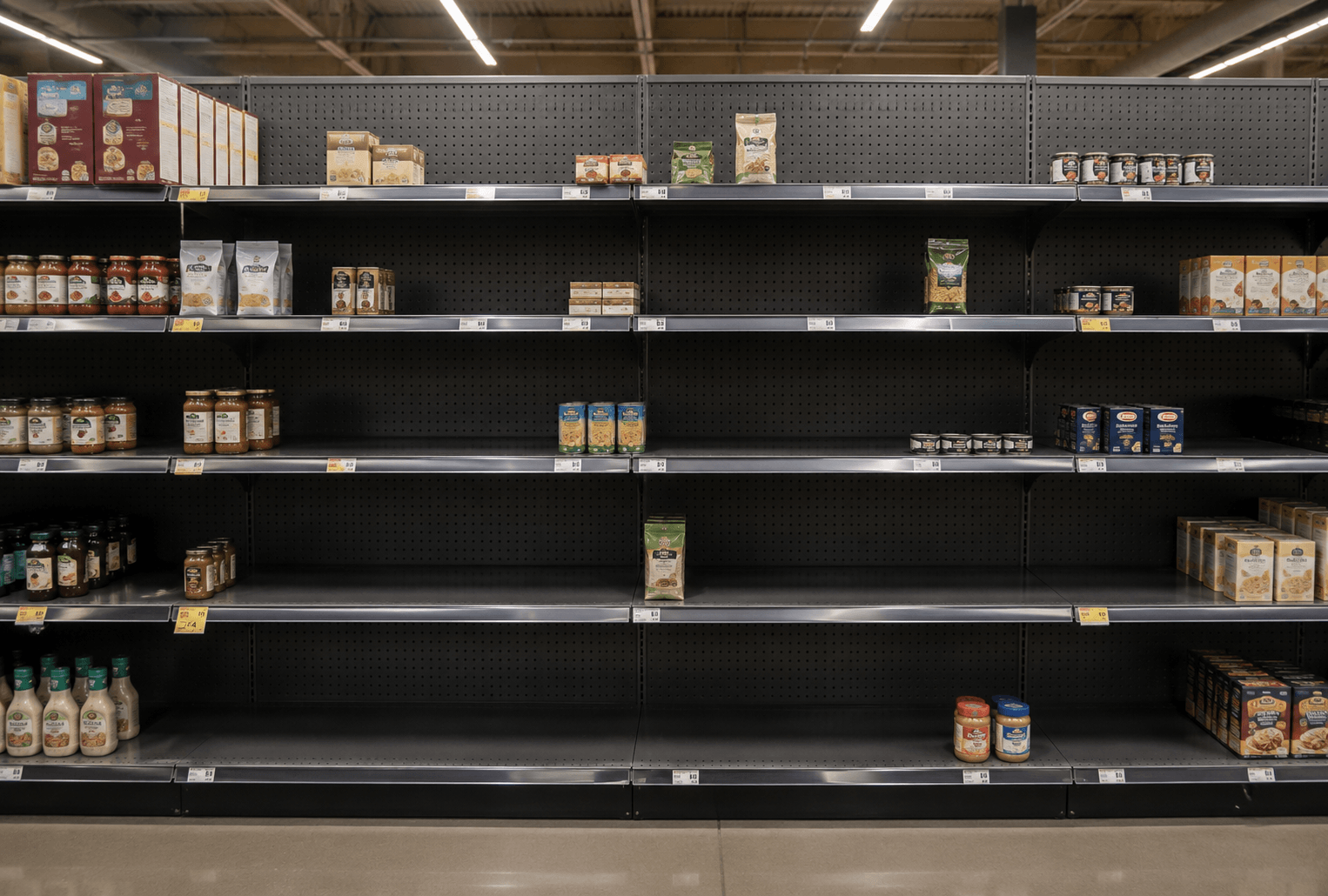
Key Takeaways:
- Accurate retail inventory visibility is the foundation of the modern customer experience. It ensures shoppers never face frustrating stockouts or forced substitutions, whether they are buying in-store, through delivery apps, or via click-and-collect.
- Manual stock checks are slow and prone to human error. Leveraging AI-enabled visual intelligence and mobile data capture provides instant, highly accurate retail inventory visibility right at the shelf edge.
- With the continued growth of BOPIS (buy online, pick up in-store), fragmented data is no longer acceptable. Seamless retail inventory visibility acts as a single source of truth, perfectly aligning your digital storefront with actual physical shelf availability.
- Moving from reactive fixes to proactive forecasting requires tracking goods at every step. Comprehensive retail inventory visibility gives operations teams a “control tower view” to identify bottlenecks, optimize freight, and reallocate stock before shortages occur.
- Out-of-stocks aren’t just an inconvenience; they directly translate to lost revenue. Maximizing retail inventory visibility prevents missed sales opportunities, reduces shrinkage, and empowers merchandising teams to execute store-level strategies flawlessly.
What Is Retail Inventory Visibility?
At its core, retail inventory visibility is the ability to track, monitor, and understand exactly what stock you have, where it is located, and its real-time status across your entire supply chain and store network. It serves as the single source of truth connecting a retailer’s physical goods with their digital tracking systems.
In the past, inventory visibility simply meant knowing roughly how many units were sitting in a distribution center or the back room of a store. Today, the standard is much higher. True visibility extends from the manufacturer all the way to the shelf edge and the customer’s digital cart.
To achieve full visibility, modern retailers rely on three foundational pillars:
- Real-Time Accuracy: Moving away from periodic, manual cycle counts to continuous, automated updates powered by advanced point-of-sale (POS) data, RFID tags, or AI-driven image recognition at the shelf.
- Omnichannel Synchronization: Ensuring that what a customer sees available online perfectly matches what is physically available in the store. If a shopper orders a product for in-store pickup (BOPIS), the system must guarantee that the item isn’t just in the building, but is actually accessible.
- Shelf-Level Execution: The most critical gap in retail is often the last fifty feet. A product sitting in a store’s stockroom provides zero value if the customer is staring at an empty shelf. True visibility means knowing a product is actively merchandised and ready to be purchased.
Ultimately, retail inventory visibility is the operational backbone of modern commerce. It is what allows brands to prevent frustrating out-of-stocks, reduce expensive overstocking, and deliver a seamless shopping experience—no matter how, when, or where a customer chooses to buy.
As we look ahead to the retail challenges and opportunities in the second half of 2025, one priority will be central: in-stock visibility. The ability to see — accurately, in real time — what is and is not on store shelves has moved beyond a routine operational consideration and become a strategic imperative.
Advances in augmented reality (AR), artificial intelligence (AI) and leveraging data insights are enabling retailers and consumer packaged goods (CPG) companies to become more proactive in inventory and merchandising management. Using these tools allows companies to improve sales, optimize labor efficiency, ensure trade compliance and ultimately deliver a better experience for the consumer.
Out-of-Stocks: A Persistent Challenge
According to NielsenIQ, every 2% decrease in out-of-stocks results in a 1% increase in sales. For large retailers, that represents millions of dollars in revenue. Yet historically, understanding what was actually in stock — especially at the shelf level — has been operationally challenging and difficult to quantify with meaningful data.
Traditional methods of auditing shelf stocks have been manual, labor-intensive and inconsistent. Store employees or field representatives walk the aisles, clipboard in hand, noting where products appear to be missing, then check the stockroom for replenishment. Not only is this approach slow, inefficient and cumbersome, but the insights gathered also frequently fail to reach corporate decision-makers.
Technology has transformed this process. By scanning shelves with a mobile device enabled with image recognition software, field teams can now capture real-time visual data. These tools do more than simply recognize that a shelf is empty; they identify which product is missing and give field teams insight they can act on in real time. This improves on-shelf availability in the short term and allows corporate decision-makers to identify long-term trends and performance issues.
Real-Time Data Improves Retail Responsiveness
In today’s climate of ongoing economic uncertainty, unpredictable supply chains and evolving consumer behavior, the ability to make data-driven decisions in real time is essential. AI-driven shelf intelligence systems provide immediate insight into execution across stores, allowing organizations to act quickly when stock issues or merchandising problems arise.
Moreover, this real-time data supports mobile task management tools that assign, track and verify in-store actions. For example, a system might detect five missing items during a scan, confirm that three are available in the stockroom, and automatically create a replenishment task. This enables teams to act with both clarity and efficiency.
But as we all know, shelf visibility is not simply about stock levels. Retailers and CPG brands invest significant time and resources in developing planograms, and executing against those plans ensures promotional success and fair representation for suppliers. AR-enabled software now enables real-time planogram compliance auditing at scale.
By comparing real-time shelf images against planograms, organizations can detect things like incorrect placements and specific out-of-stock items. This is particularly valuable for monitoring high-value display areas such as endcaps — and ensuring that those products are in stock and on the shelves — where compliance is often tied to trade agreements.
In-stock visibility data also has value beyond real-time responsiveness. If a promotion underperforms, for example, POS data alone cannot always explain why. Shelf intelligence might reveal that a display was set incorrectly, that a product was out of stock for high-traffic days or that visibility was compromised due to poor placement. This added layer of understanding allows companies — both retail and CPG brands — to optimize future campaigns and prevent recurring stock and shelving issues.
The Business Value of Real-Time Shelf Data
One of the biggest, and continuing, challenges for retailers is labor. Some leading retailers are working with third-party teams to perform weekly shelf scans across thousands of stores, which generates consistent data without drawing from store labor budgets. These third-party audits help retailers maintain high operational standards and help prevent internal bias. On top of that, third-party data ensures fairness and accuracy in out-of-stock measurement when store performance is tied to employee bonus structures.
The financial implications of shelf visibility extend beyond operational efficiency and labor concerns. Trade agreements between retailers and CPG brands often include requirements around shelf placement, promotional displays and share-of-shelf commitments. With accurate shelf data, retailers can ensure that contractual obligations are met, and CPG brands can measure ROI on high-value displays. In fact, retailers are now exploring ways to monetize this data — offering brands access to insights into on-shelf availability, display execution and brand representation.
For mid-size brands in particular — many of which lack dedicated field teams — this data offers an affordable and scalable way to monitor performance across retail partners. And as we move into the second half of 2025, both retailers and CPG brands that invest in real-time shelf intelligence will be best positioned to adapt, compete and thrive. Those that do not risk leaving revenue, loyalty and insight on the shelf.
Frequently Asked Questions
How do DSD suppliers typically manage relationships with multiple retail partners?
DSD suppliers managing multiple retail partners usually assign dedicated route sales reps to specific territories or store clusters, ensuring consistent customer relationships are built at the store level over time. Contracts with grocery stores and retailers often outline specific merchandising standards, delivery frequencies, and compliance expectations, meaning route reps aren’t just making deliveries but are actively maintaining a commercial partnership on every visit, as well.
What are the biggest cost considerations for brands running DSD operations?
While direct store delivery offers significant benefits in terms of shelf control and product availability, it transfers real operational costs to the brand. Labor costs for route sales reps, vehicle and fuel expenses, and the technology needed to manage DSD processes at scale all factor into the equation. Brands evaluating the DSD model need to weigh those costs against the profit margins gained from tighter execution and reduced reliance on the retailer’s distribution center.
How is technology changing DSD operations?
The biggest shift in DSD operations is the move from paper-based processes to mobile-first execution platforms. Route sales reps now use smartphones and tablets to complete guided workflows, capture photo verification, and submit real-time audit data, which replaces manual reporting that was slow, inconsistent, and difficult to act on. As consumer demands and retail complexity continue to grow, technology is becoming the primary driver of DSD best practices across the grocery industry.
Can small or mid-size brands benefit from a DSD model?
Direct store delivery is often associated with large manufacturers and national brands, but smaller companies can benefit significantly from the model, as well—particularly in regional grocery markets where customer relationships and product freshness are strong differentiators. For smaller brands, the DSD model offers a way to compete on shelf presence and consumer loyalty without the scale needed to negotiate favorable terms through centralized distribution centers.