

Recycling is one of the most practical ways to reduce waste, conserve resources, and lessen the environmental impact of everyday consumption. By keeping materials in circulation instead of sending them to landfills, recycling reduces energy use and limits the need for extracting new raw materials. As waste volumes grow, effective recycling systems play an essential role in supporting more sustainable material use.
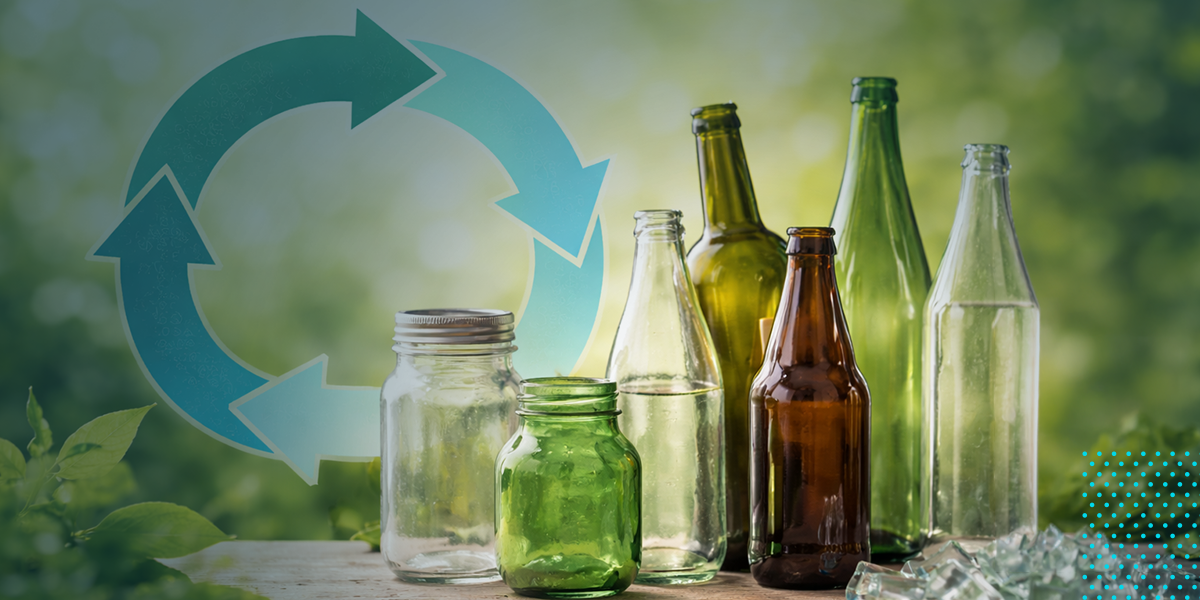
Glass stands out among recyclable materials because it can be melted and reshaped repeatedly without losing strength or quality. A recycled bottle can become a new bottle again and again, making glass a highly efficient material in closed-loop systems.
However, not all glass is suitable for standard recycling programs. Bottles and jars are manufactured to melt at consistent temperatures, while other glass items contain different chemical compositions that can contaminate recycling batches. Knowing which glass products are accepted helps keep recycling streams clean and efficient.
What Can Be Recycled
Most recycling programs are designed to process what is known as container glass. This includes the glass used for food and beverage industry packaging, which is manufactured to melt at consistent temperatures. Because these products share similar chemical properties, they can be recycled together without contaminating the batch.
When collected, container glass is sorted by color, cleaned, crushed into small pieces called cullet, and melted to form new containers. Using recycled glass in manufacturing reduces energy consumption and lowers emissions compared to producing glass entirely from raw materials.
Glass items typically accepted in recycling programs include:
- Glass bottles: Beer, wine, soda, juice, and water bottles of all colors, including clear, green, brown, and blue.
- Food jars: Containers for pasta sauce, pickles, salsa, baby food, condiments, and similar packaged foods.
- Certain cosmetic containers: Perfume bottles and skincare jars made from standard container glass and free of mixed-material components.
Recycling these materials helps maintain a closed-loop system, where used containers are transformed into new ones without losing quality.
What Should Not Be Recycled
Although many glass items look similar, not all glass is manufactured the same way. Products such as cookware, windows, and specialty glassware are designed for durability, heat resistance, or structural strength. To achieve these properties, manufacturers alter the chemical composition of the glass or treat it with special processes. As a result, these items melt at different temperatures than container glass.
When incompatible glass types are mixed into the recycling stream, they can weaken the final product or ruin entire batches during melting. Even a small amount of the wrong glass can cause defects, which is why recycling facilities carefully limit what they accept.
Items that should generally not be placed in curbside glass recycling include:
- Kitchenware: Pyrex baking dishes, oven-safe glass pans, ceramics, porcelain plates, and standard drinking glasses.
- Household glass: Window panes, mirrors, tabletops, light bulbs, and decorative vases.
- Broken glass: Loose shards that create safety hazards for sanitation and sorting workers.
These materials require different disposal methods and should never be mixed with bottles and jars. When in doubt, reviewing local recycling guidelines helps prevent contamination and keeps the system operating efficiently.
How to Prepare Glass for Recycling
Recycling glass is relatively simple, but proper preparation plays an important role in keeping the process efficient and safe. Contaminated containers, leftover liquids, or improperly handled glass can slow down sorting operations or reduce the quality of recycled materials. Fortunately, preparing glass for recycling only requires a few quick steps.
Before placing glass in a recycling bin, containers should be free of food and liquid residue. Although facilities clean materials after collection, excess contamination can attract pests, create odors, and interfere with sorting equipment. A quick rinse improves material quality and keeps collection systems operating smoothly.
To prepare glass correctly:
- Empty and rinse: Remove all food and liquid residue with a quick rinse; containers do not need to be spotless.
- Remove lids and caps: Separate metal or plastic lids unless local guidelines instruct otherwise.
- Leave labels on: Paper labels typically burn off during the melting process and do not affect recycling.
Do not intentionally break glass: Smaller shards are harder to sort and increase the risk of injury.
Taking these simple steps ensures that glass enters the recycling stream in a usable condition and reduces the risk of contamination or injury. Proper preparation supports both worker safety and the efficiency of the recycling system.
Where to Recycle Glass
Access to glass recycling varies depending on local waste management systems. Some communities offer convenient curbside collection, while others rely on centralized drop-off programs. Because policies differ by region, understanding the available options ensures that recyclable glass is handled correctly rather than mistakenly discarded.
In many cities, glass containers can be placed in curbside recycling bins. Some municipalities collect glass alongside other recyclables in a single-stream system, while others require a separate glass-only bin to prevent breakage from contaminating paper and cardboard. Separate collection can help improve material quality and reduce sorting challenges.
Common recycling options include:
- Curbside recycling programs: Glass bottles and jars placed in designated bins for scheduled pickup.
- Community drop-off centers: Municipal recycling depots or neighborhood collection sites that accept container glass.
- Bottle deposit systems: Programs in states such as New York, California, and Oregon, where eligible beverage containers can be returned for a refund.
If curbside collection is unavailable, municipal websites typically provide guidance on nearby drop-off locations and accepted materials. Taking advantage of these programs keeps glass out of landfills and supports local recycling infrastructure.
How to Dispose of Non-Recyclable Glass
Not every glass item can be recycled through standard curbside programs, but that does not mean it should be handled carelessly. Improper disposal of glass – especially broken pieces – can pose safety risks for sanitation workers and create contamination problems within waste streams. Taking responsible steps when disposing of non-recyclable glass helps protect both workers and the environment.
In some cases, glass items may still have value even if they are not accepted in traditional recycling systems. Before throwing them away, consider whether they can be reused or donated. Items in good condition can often be redirected to community organizations rather than discarded.
Options for managing non-recyclable glass include:
- Donation: Mirrors, drinking glasses, and decorative glassware in good condition may be accepted by local thrift stores or reuse organizations.
- Safe trash disposal: Wrap broken or non-recyclable glass securely in thick paper or place it inside a sturdy box.
- Clear labeling: Mark packages as “Broken Glass” to alert sanitation workers.
Specialty recycling centers: Some regional facilities accept certain glass types that curbside programs do not.
Taking these precautions reduces safety hazards and ensures that even non-recyclable glass is managed responsibly. Proper handling protects waste workers and maintains the integrity of recycling systems.
Tips for Kids and Families
Teaching children about recycling helps build long-term environmental awareness and responsible habits. Glass recycling, in particular, offers a clear and visible example of how materials can be reused rather than wasted. Involving children in sorting and preparing glass for recycling can turn a routine task into an educational opportunity about sustainability and resource conservation.
Families can make glass recycling easier and more consistent by setting up simple systems at home. Clear routines and labeled bins reduce confusion and help ensure that recyclable materials are handled correctly from the start.
Ways families can encourage responsible glass recycling include:
Create a sorting station: Use a clearly labeled bin dedicated to glass containers.
Check local rules together: Review municipal guidelines as a family to reinforce correct practices.
Reuse before recycling: Clean glass jars can serve as storage containers or craft supplies.
Discuss infinite recyclability: Explain how glass can be melted and remade repeatedly without losing quality.
By making recycling part of everyday routines, families help normalize sustainable practices and encourage children to carry those habits into adulthood.
Closing the Loop: Giving Glass a Second Life
Glass recycling works best when people understand the system behind it. Knowing which items belong in the bin, how to prepare them properly, and where to take them makes the difference between a successful recycling stream and one contaminated by mistakes.
The goal is not perfection, but consistency. Rinsing a jar, separating incompatible materials, and following local guidelines may seem like small steps, but together they strengthen recycling programs and protect the workers who keep them running.
When handled correctly, glass does not have to become waste. It can return to the production cycle as raw material once again – and that transformation begins with informed, everyday choices.
Additional Recycling Resources
Learn About The Glass Recycling Foundation
Exploring Glass Recycling: Trends, Technologies, and Future Trajectories
Top Facts About Glass Recycling Glass
How Glass Is Recycled: Step-by-Step from Bin to Bottle
More Ways to Reduce, Reuse, and Recycle Glass
7 Craft Ideas Using Waste Wine Bottles and Other Glass Bottles
Choose How You Reuse – Glass Challenge
Best Small and Large-Scale Community Glass Recycling, Repurposing, and Reuse Options